Benefits of Custom Orthotics

Orthotics encompass a diverse range of solutions. Custom orthotic inserts, prescribed by podiatrists, cater to individual needs, providing numerous benefits. One significant advantage is pain management. Orthotics are effective in managing pain arising from injuries, arthritis, or surgery. They offer support, relieve pressure on arthritic joints, and can replace or complement pain relievers, contributing to natural pain relief. Moreover, the portability of custom orthotic inserts is a notable feature. They are discreet and concealed within footwear. Orthotics also offer essential injury protection. They create a stable surface, guarding against sprains, fractures, and overuse injuries. They provide support, cradling the feet's contours, and reducing strain and risk. Enhanced activity is another benefit, as orthotics boost confidence and enable individuals to engage in activities they once avoided due to discomfort or deformities. Instead, orthotics facilitate an active lifestyle by preventing injuries and discomfort. Finally, custom orthotics provide a perfect fit tailored to a person's unique needs, considering factors like shoe type, health conditions, and lifestyle. This tailored approach offers a superior solution compared to generic, prefabricated inserts. If you would like to learn more about custom-made orthotics, it is suggested that you make an appointment with a podiatrist who can discuss this further with you.

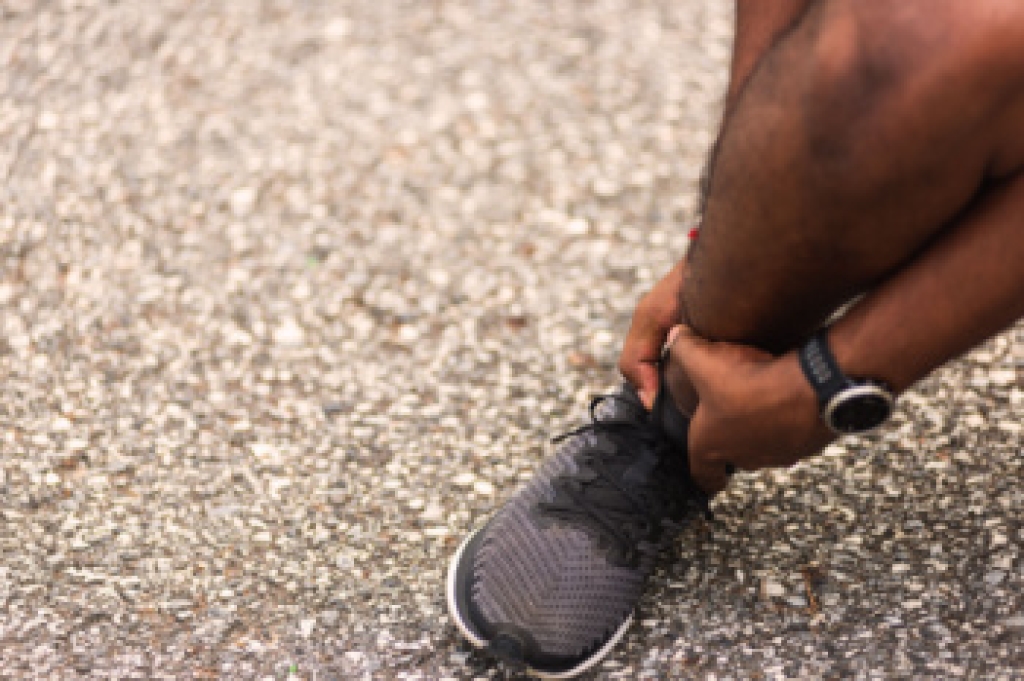
Custom orthotics are specialized shoe inserts created to support and align the feet according to each person’s unique structure and walking pattern. They are an effective way to relieve foot discomfort caused by conditions such as flat feet, high arches, plantar fasciitis, bunions, and heel pain. When the natural alignment of the foot is off balance, it can lead to pressure points, strain, and pain that affect how a person stands, walks, and moves. Orthotics work by redistributing weight evenly and supporting the arch to reduce stress on the muscles, tendons, and joints of the feet and lower legs.

Foot discomfort can develop for many reasons, including wearing improper footwear, long hours of standing, repetitive motion, or underlying structural problems. Over time, this discomfort can extend beyond the feet, contributing to knee, hip, or lower back pain. Custom orthotics help correct these issues by improving alignment and promoting more efficient movement. They are made using precise measurements and imaging to ensure the best fit for each patient, providing targeted support and cushioning where it is needed most.

Unlike generic insoles, custom orthotics are durable, medically designed, and tailored to your specific needs. Whether you are managing chronic pain, recovering from an injury, or simply seeking better comfort and stability, orthotics can make a noticeable difference in how your feet feel throughout the day.

If you are experiencing persistent foot discomfort or fatigue, it may be time to have your feet evaluated by a podiatrist. Call our office today for more information or to schedule an appointment.

If you have any questions, please feel free to contact our office located in El Paso, TX

Read more about Investing in Custom Orthotics Means Investing in Foot Health

Ankle Fracture? Don’t Wait for Treatment

If you're suffering from an ankle fracture, professional attention shouldn't wait. Fractures may worsen over time and can make completing everyday activities incredibly difficult. See your specialist for treatment and guidance through the healing process. 

Managing Gout Attacks That Affect the Toes

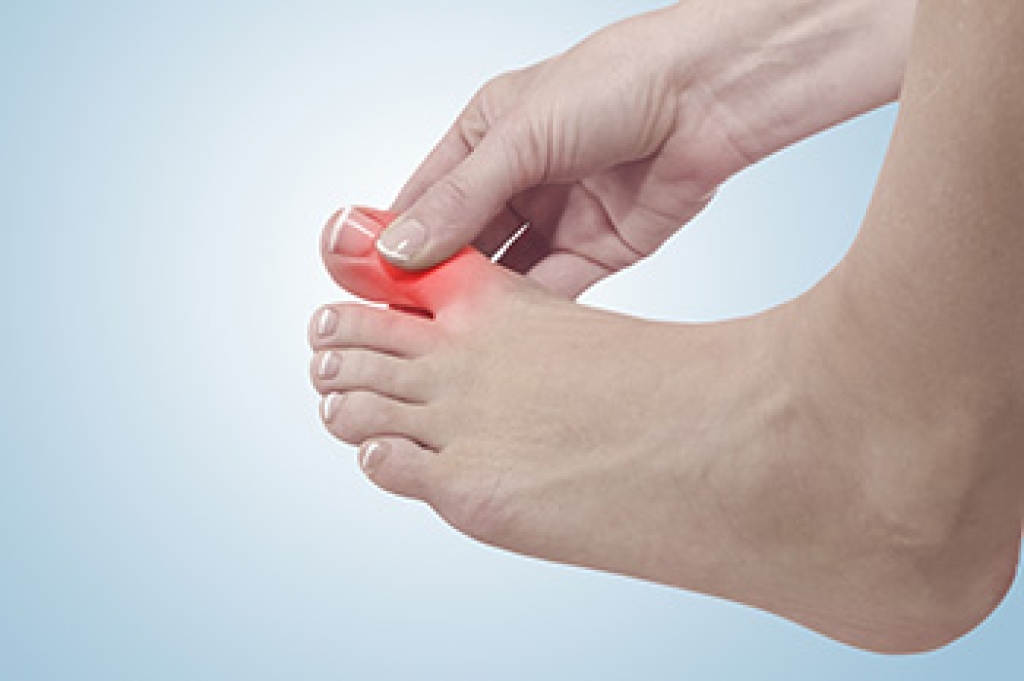
Gout is a form of arthritis that often leads to sudden pain and swelling in certain joints. Gout attacks commonly affect the big toe, as well as other joints like ankles, knees, and wrists. During an attack that affects the toes, resting and elevating the foot can help manage the pain. Staying hydrated and avoiding foods high in purines, including certain meats and seafood, may reduce the risk of future flare-ups. Incorporating certain low-impact exercise can also help combat gout attacks, but it is to be avoided during painful flare-ups. Other treatment options, which a podiatrist may recommend, include medication, cortisone injections, or surgery for more severe cases. If you are experiencing painful gout attacks in the toe joints, it is suggested that you consult a podiatrist who can offer personalized treatment options. 

Gout is a foot condition that requires certain treatment and care. If you are seeking treatment, contact David Williams, DPM from El Paso Feet. Our doctor will treat your foot and ankle needs.

What Is Gout?

Gout is a type of arthritis caused by a buildup of uric acid in the bloodstream. It often develops in the foot, especially the big toe area, although it can manifest in other parts of the body as well. Gout can make walking and standing very painful and is especially common in diabetics and the obese.

People typically get gout because of a poor diet. Genetic predisposition is also a factor. The children of parents who have had gout frequently have a chance of developing it themselves.

Gout can easily be identified by redness and inflammation of the big toe and the surrounding areas of the foot. Other symptoms include extreme fatigue, joint pain, and running high fevers. Sometimes corticosteroid drugs can be prescribed to treat gout, but the best way to combat this disease is to get more exercise and eat a better diet.

If you have any questions, please feel free to contact our office located in El Paso, TX . We offer the newest diagnostic and treatment technologies for all your foot care needs.

Read more about Gout

The Importance of Achilles Tendon Stretching Post-Injury

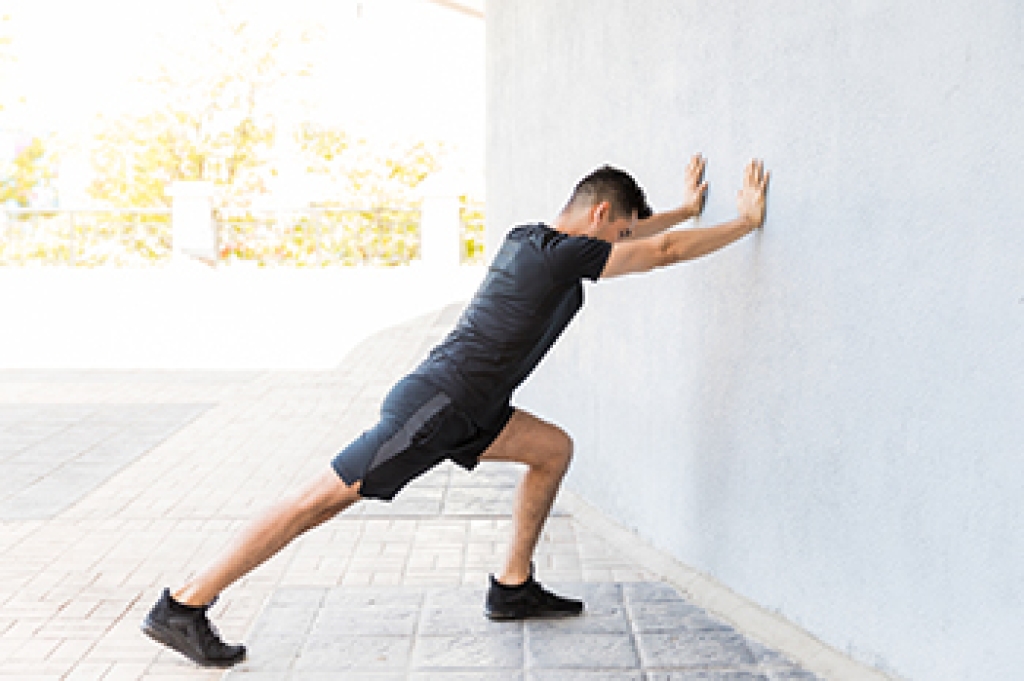
Stretching the Achilles tendon after an injury is paramount for facilitating recovery, restoring flexibility, and preventing future issues. Whether from overuse, strain, or rupture, Achilles tendon injuries can be debilitating, impacting mobility and quality of life. Gentle stretching exercises play an essential role in promoting healing and preventing stiffness, which can hinder rehabilitation progress. Simple stretches, such as calf raises, wall stretches, and towel stretches, help elongate the Achilles tendon and calf muscles, reducing tension and promoting blood flow to the injured area. It is essential to approach stretching with caution, starting gradually and avoiding overexertion to prevent further damage. Consistency is key, as regular stretching sessions can gradually improve flexibility and range of motion in the Achilles tendon and surrounding muscles. Incorporating stretching exercises into a comprehensive rehabilitation program, under the guidance of a podiatrist, can accelerate recovery and minimize the risk of reinjury. If you have endured an Achilles tendon injury, it is suggested that you speak with a podiatrist who can guide you toward stretches that are correct for you.

Achilles tendon injuries need immediate attention to avoid future complications. If you have any concerns, contact David Williams, DPM of El Paso Feet. Our doctor can provide the care you need to keep you pain-free and on your feet.

What Is the Achilles Tendon?

The Achilles tendon is a tendon that connects the lower leg muscles and calf to the heel of the foot. It is the strongest tendon in the human body and is essential for making movement possible. Because this tendon is such an integral part of the body, any injuries to it can create immense difficulties and should immediately be presented to a doctor.

What Are the Symptoms of an Achilles Tendon Injury?

There are various types of injuries that can affect the Achilles tendon. The two most common injuries are Achilles tendinitis and ruptures of the tendon.

Achilles Tendinitis Symptoms

  • Inflammation
  • Dull to severe pain
  • Increased blood flow to the tendon
  • Thickening of the tendon

Rupture Symptoms

  • Extreme pain and swelling in the foot
  • Total immobility

Treatment and Prevention

Achilles tendon injuries are diagnosed by a thorough physical evaluation, which can include an MRI. Treatment involves rest, physical therapy, and in some cases, surgery. However, various preventative measures can be taken to avoid these injuries, such as:

  • Thorough stretching of the tendon before and after exercise
  • Strengthening exercises like calf raises, squats, leg curls, leg extensions, leg raises, lunges, and leg presses

If you have any questions please feel free to contact our office located in El Paso, TX . We offer the newest diagnostic tools and technology to treat your foot and ankle needs.
Read more about What are Achilles Tendon Injuries

Root Causes of Heel Pain

Understanding the root causes of heel pain is essential for effective treatment. Mechanical factors such as acute injuries, like a ruptured plantar fascia, are common causes of heel pain. Degenerative conditions, such as plantar fasciitis or calcaneal stress fractures, also may significantly affect the heel. Neurologic causes, including nerve compression and inflammation of the Achilles tendon, can cause heel discomfort, especially during activities. Rheumatologic conditions, such as psoriatic arthritis or rheumatoid arthritis, can lead to chronic inflammation and persistent heel pain. Differentiating between these causes is vital for tailored treatment plans, which may involve orthotic devices, certain exercises, or reducing pressure on affected tendons during acute phases. Additionally, addressing contributing factors like foot pronation, inadequate footwear, or high-impact physical activities is important for long-term management. If you are experiencing heel pain that interferes with your daily activities, it is suggested that you schedule an appointment with a podiatrist for a full exam and diagnosis, followed by suggesting correct treatment options for you.

Many people suffer from bouts of heel pain. For more information, contact David Williams, DPM of El Paso Feet. Our doctor can provide the care you need to keep you pain-free and on your feet.

Causes of Heel Pain

Heel pain is often associated with plantar fasciitis. The plantar fascia is a band of tissues that extends along the bottom of the foot. A rip or tear in this ligament can cause inflammation of the tissue.

Achilles tendonitis is another cause of heel pain. Inflammation of the Achilles tendon will cause pain from fractures and muscle tearing. Lack of flexibility is also another symptom.

Heel spurs are another cause of pain. When the tissues of the plantar fascia undergo a great deal of stress, it can lead to ligament separation from the heel bone, causing heel spurs.

Why Might Heel Pain Occur?

  • Wearing ill-fitting shoes                
  • Wearing non-supportive shoes
  • Weight change           
  • Excessive running

Treatments

Heel pain should be treated as soon as possible for immediate results. Keeping your feet in a stress-free environment will help. If you suffer from Achilles tendonitis or plantar fasciitis, applying ice will reduce the swelling. Stretching before an exercise like running will help the muscles. Using all these tips will help make heel pain a condition of the past.

If you have any questions, please feel free to contact our office located in El Paso, TX . We offer the newest diagnostic and treatment technologies for all your foot care needs.
Read more about Heel Pain

Connect With Us

scroll to top