Hammertoe Relief Strategies

Hammertoe is a foot deformity where one or more toes bend abnormally at the middle joint, resembling a hammer. It often results from muscle imbalance, causing ligaments and tendons to become tight and toes to curl downward instead of lying flat. Common causes include wearing ill-fitting shoes, especially those with narrow toe boxes or high heels, which can crowd the toes and force them into unnatural positions. Additionally, genetics, trauma, and certain medical conditions, such as arthritis, can contribute to hammertoe development. Treatment options range from conservative measures to surgery, depending on the severity of the condition. Conservative approaches may involve wearing properly fitting shoes with a roomy toe box, using orthotic inserts or pads to relieve pressure, and performing toe exercises to strengthen muscles. In more severe cases, where pain persists or mobility is significantly affected, surgical correction may be recommended to realign the toes and restore normal function. If you have a hammertoe that is causing discomfort, it is suggested that you schedule an appointment with a podiatrist for treatment that is deemed appropriate for you.

Hammertoes can be a painful condition to live with. For more information, contact David Williams, DPM of El Paso Feet. Our doctor will answer any of your foot- and ankle-related questions.

Hammertoe

Hammertoe is a foot deformity that occurs due to an imbalance in the muscles, tendons, or ligaments that normally hold the toe straight. It can be caused by the type of shoes you wear, your foot structure, trauma, and certain disease processes.

Symptoms

  • Painful and/or difficult toe movement
  • Swelling
  • Joint stiffness
  • Calluses/Corns
  • Physical deformity

Risk Factors

  • Age – The risk of hammertoe increases with age
  • Sex – Women are more likely to have hammertoe compared to men
  • Toe Length – You are more likely to develop hammertoe if your second toe is longer than your big toe
  • Certain Diseases – Arthritis and diabetes may make you more likely to develop hammertoe

Treatment

If you have hammertoe, you should change into a more comfortable shoe that provides enough room for your toes. Exercises such as picking up marbles may strengthen and stretch your toe muscles. Nevertheless, it is important to seek assistance from a podiatrist in order to determine the severity of your hammertoe and see which treatment option will work best for you.

If you have any questions, please feel free to contact our office located in El Paso, TX . We offer the newest diagnostic and treatment technologies for all your foot care needs.
Read more about Hammertoe

Custom Orthotics For Ankle Stability

Step with assurance, thanks to enhanced ankle stability from orthotics! If you're active and on the move, Custom Orthotics are your ally for stronger, steadier ankles. They align your foot and ankle, reducing the risk of sprains and offering solid support for every stride. Don’t let instability hold you back. Try Custom Orthotics from our office, and discover unshakable confidence in every step!

Morton’s Neuroma and Ball of Foot Pain

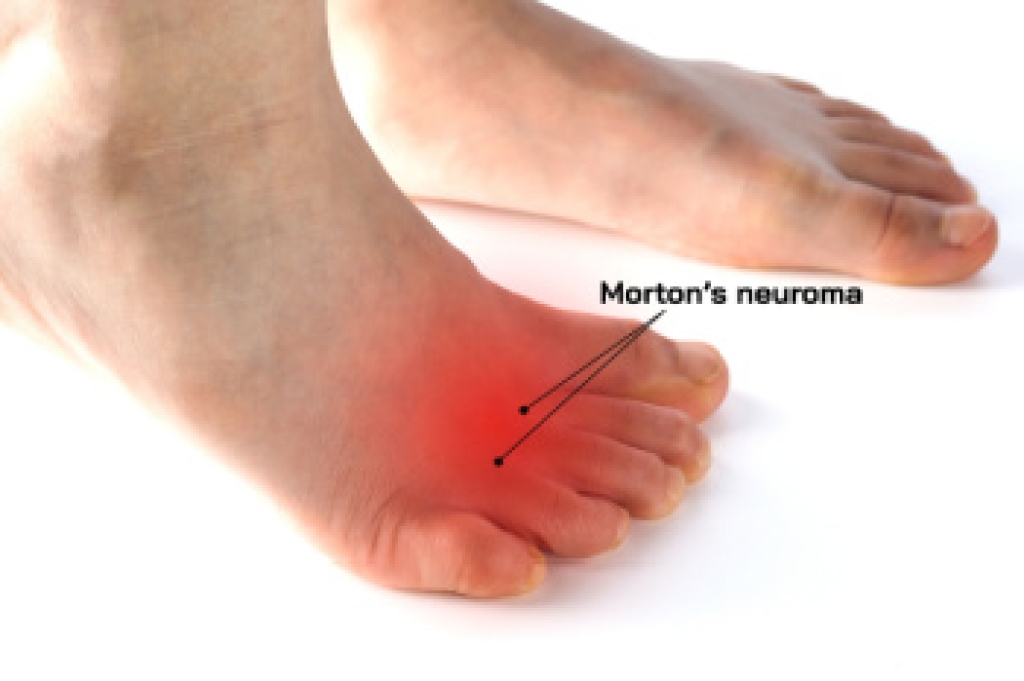
Morton's neuroma is a painful condition that affects the ball of the foot, primarily between the third and fourth toes. It occurs when the tissue around one of the nerves leading to the toes thickens, which can cause a sharp, burning pain in the foot. This thickening is often a response to irritation, pressure, or injury to the nerve. Patients commonly report feeling like they are stepping on a pebble or have a knot in their sock. Other symptoms include a burning sensation in the ball of the foot that may radiate into the toes, numbness, and tingling in the affected toes. These symptoms can get worse with certain activities that put pressure on the foot, like running or wearing high heels. Incorrect footwear that cramps the toes together can also contribute to the condition by putting additional pressure on the nerves in the foot. If you are experiencing pain in the ball of the foot, or suspect Morton’s neuroma, it is suggested that you schedule an appointment with a podiatrist for treatment options. 

Morton’s neuroma is a very uncomfortable condition to live with. If you think you have Morton’s neuroma, contact David Williams, DPM of El Paso Feet. Our doctor will attend to all of your foot care needs and answer any of your related questions.  

Morton’s Neuroma

Morton's neuroma is a painful foot condition that commonly affects the areas between the second and third or third and fourth toe, although other areas of the foot are also susceptible. Morton’s neuroma is caused by an inflamed nerve in the foot that is being squeezed and aggravated by surrounding bones.

What Increases the Chances of Having Morton’s Neuroma?

  • Ill-fitting high heels or shoes that add pressure to the toe or foot
  • Jogging, running or any sport that involves constant impact to the foot
  • Flat feet, bunions, and any other foot deformities

Morton’s neuroma is a very treatable condition. Orthotics and shoe inserts can often be used to alleviate the pain on the forefront of the feet. In more severe cases, corticosteroids can also be prescribed. In order to figure out the best treatment for your neuroma, it’s recommended to seek the care of a podiatrist who can diagnose your condition and provide different treatment options.

If you have any questions, please feel free to contact our office located in El Paso, TX . We offer the newest diagnostic and treatment technologies for all your foot care needs.

Read more about Morton's Neuroma

Foot Orthotics for Rheumatoid Arthritis Pain

Rheumatic pain and its effect on foot health have been relatively overlooked in the medical community, despite the significant prevalence of foot ailments, particularly as people age. This oversight is surprising considering the potential role of footwear-related issues in modulating rheumatic pain. While much research has focused on structural aspects of arthritis, there has been a lack of emphasis on the foot and non-surgical interventions for addressing lower extremity joint problems in rheumatic diseases. Emerging studies are shedding light on the potential benefits of foot orthotics and specialized footwear in managing conditions like rheumatoid arthritis and osteoarthritis affecting the hip, knee, and foot. Biomechanical evidence suggests that these interventions can alter muscle activation and gait patterns, ultimately reducing joint stress. If you have rheumatoid arthritis and suffer from foot pain, it is suggested that you schedule an appointment with a podiatrist to discuss whether custom-made orthotics can help you to find relief.

Custom orthotics play an important role in preventing and treating foot and ankle injuries by providing personalized support that aligns with the unique structure of each foot. These specially designed devices help correct biomechanical imbalances, reduce pressure on sensitive areas, and improve stability during movement. When the feet are properly supported, the risk of developing conditions such as plantar fasciitis, Achilles tendinitis, and ankle sprains can be significantly reduced. Custom orthotics also help relieve discomfort caused by having flat feet, high arches, or uneven leg length, which may contribute to recurring injuries or pain.

Foot and ankle injuries can develop gradually from repetitive strain or occur suddenly during physical activity. Without proper treatment, these injuries can affect mobility and overall quality of life. Orthotics work to redistribute weight evenly across the foot, allowing joints and muscles to function more efficiently. This not only supports recovery from injury but can also prevent future problems by promoting better posture and alignment throughout the lower body.

Unlike over-the-counter inserts, custom orthotics are designed based on a detailed evaluation of each patient’s foot structure, gait, and medical needs. Podiatrists use advanced imaging and diagnostic tools to create orthotics that fit precisely and provide targeted correction. Whether used in everyday footwear or athletic shoes, custom orthotics can improve comfort, enhance performance, and support long-term foot health.

If you are experiencing foot or ankle pain or have sustained an injury that has not improved with rest, it is suggested that you schedule an appointment with a podiatrist. Call our office for more information or to make an appointment.

If you have any questions, please feel free to contact our office located in El Paso, TX

Read more about Investing in Custom Orthotics Means Investing in Foot Health

The Mysteries of Orthotics

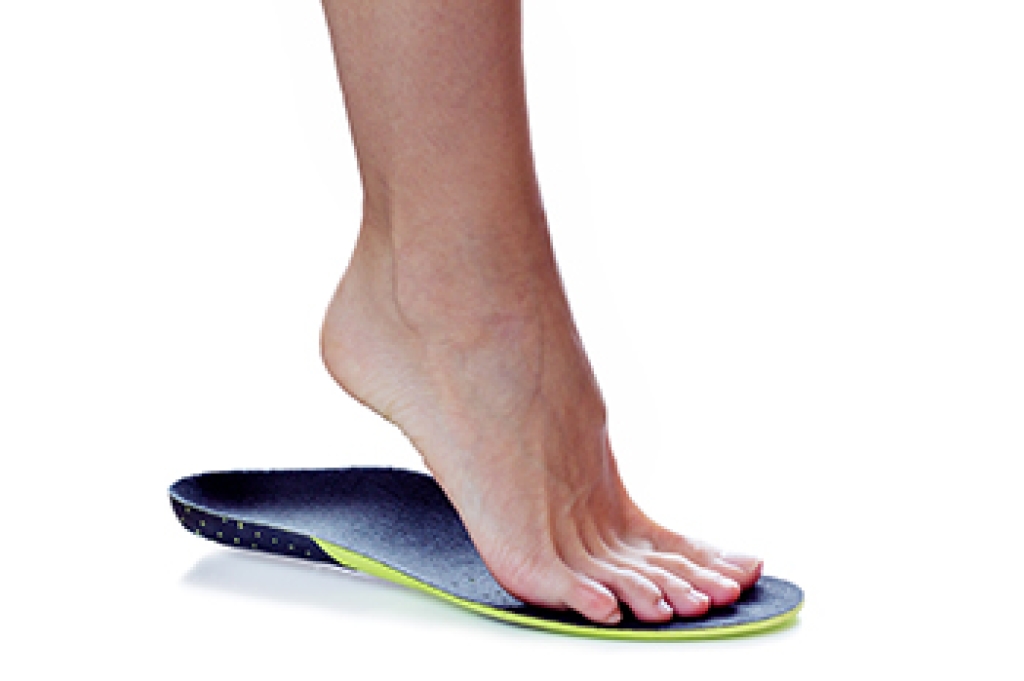
Patients often rely on podiatrists to understand how orthotics alleviate pain and prevent injuries. Determining the right orthotic type demands expertise in biomechanics, gait analysis, and understanding the patient's specific condition. Orthotics function by providing support, cushioning, and realignment to the feet, thereby correcting biomechanical abnormalities or imbalances. They distribute pressure evenly, reducing stress on vulnerable areas and promoting proper foot function. By stabilizing the foot and ankle, orthotics can correct issues such as overpronation or supination, which can lead to various foot and lower limb problems if left untreated. Additionally, orthotics can help improve posture and alleviate discomfort in other parts of the body, such as the knees, hips, and lower back. Podiatrists assess patients comprehensively to determine the most suitable orthotic design, material, and level of support to address their specific needs and enhance overall foot health and function. If you have chronic foot pain, it is suggested that you make an appointment with a podiatrist to determine if orthotics can help you.

If you are having discomfort in your feet and would like to try orthotics, contact David Williams, DPM from El Paso Feet. Our doctor can provide the care you need to keep you pain-free and on your feet.

What Are Orthotics?

Orthotics are inserts you can place into your shoes to help with a variety of foot problems such as flat feet or foot pain. Orthotics provide relief and comfort for minor foot and heel pain but can’t correct serious biomechanical problems in your feet.

Over-the-Counter Inserts

Orthotics come in a wide variety of over-the-counter inserts that are used to treat foot pain, heel pain, and minor problems. For example, arch supports can be inserted into your shoes to help correct overarched or flat feet, while gel insoles are often used because they provide comfort and relief from foot and heel pain by alleviating pressure.

Prescription Orthotics

If over-the-counter inserts don’t work for you or if you have a more severe foot concern, it is possible to have your podiatrist prescribe custom orthotics. These high-quality inserts are designed to treat problems such as abnormal motion, plantar fasciitis, and severe forms of heel pain. They can even be used to help patients suffering from diabetes by treating foot ulcers and painful calluses and are usually molded to your feet individually, which allows them to provide full support and comfort.

If you are experiencing minor to severe foot or heel pain, it’s recommended to speak with your podiatrist about the possibilities of using orthotics. A podiatrist can determine which type of orthotic is right for you and allow you to take the first steps towards being pain-free.

If you have any questions, please feel free to contact our office located in El Paso, TX . We offer the newest diagnostic and treatment technologies for all your foot care needs.

Read more about Foot Orthotics

Connect With Us

scroll to top