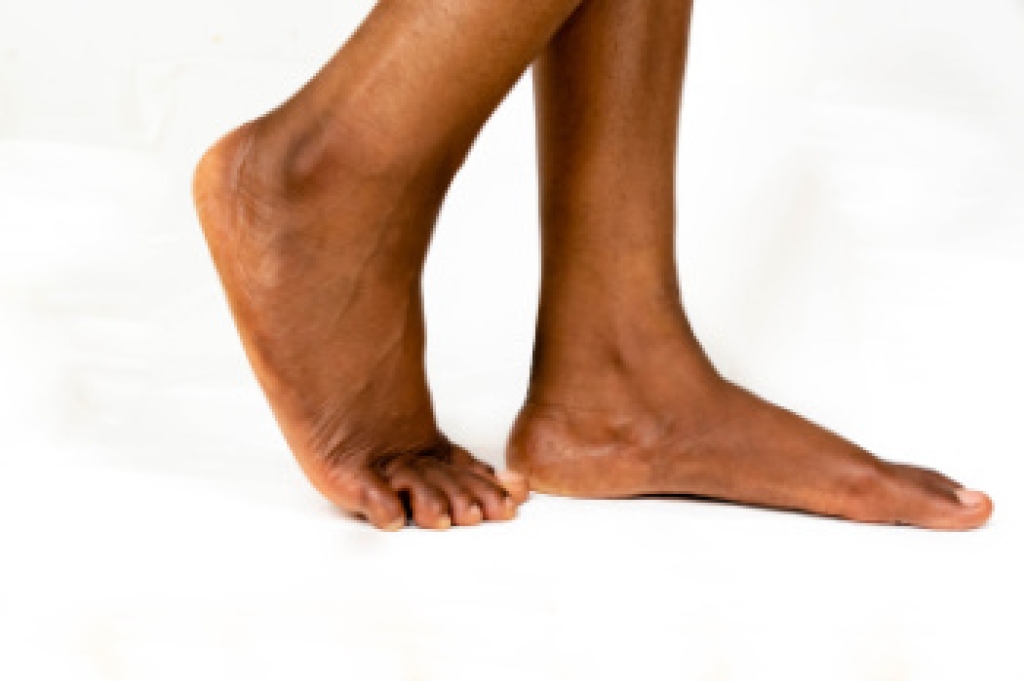
Treatment for Flat Foot

Flat foot, which occurs when the foot's arch collapses, can lead to discomfort and pain, particularly in the heel or arch area. This condition may also affect overall foot function. To manage and treat flat feet, a podiatrist might recommend several supportive therapies depending on the severity of the condition and the specific needs of the patient. One common treatment is the use of arch support insoles, which are inserts for the shoes. These insoles help to distribute pressure more evenly across the foot, provide stability, and relieve strain on the arch and surrounding muscles. For cases where insoles alone are not sufficient, a podiatrist may also suggest additional support through structured shoes with built-in arch support, ankle braces, or foot orthotics. Severe cases may require corrective exercises or even surgery to realign the foot and restore function. Regular monitoring and adjustments by a podiatrist are important to effectively manage flat foot and prevent further complications. If you have a flat foot, it is suggested that you make an appointment with a podiatrist. 

Flatfoot is a condition many people suffer from. If you have flat feet, contact David Williams, DPM from El Paso Feet. Our doctor will treat your foot and ankle needs.

What Are Flat Feet?

Flatfoot is a condition in which the arch of the foot is depressed and the sole of the foot is almost completely in contact with the ground. About 20-30% of the population generally has flat feet because their arches never formed during growth.

Conditions & Problems:

Having flat feet makes it difficult to run or walk because of the stress placed on the ankles.

Alignment – The general alignment of your legs can be disrupted, because the ankles move inward which can cause major discomfort.

Knees – If you have complications with your knees, flat feet can be a contributor to arthritis in that area.  

Symptoms

  • Pain around the heel or arch area
  • Trouble standing on the tip toe
  • Swelling around the inside of the ankle
  • Flat look to one or both feet
  • Having your shoes feel uneven when worn

Treatment

If you are experiencing pain and stress on the foot you may weaken the posterior tibial tendon, which runs around the inside of the ankle. 

If you have any questions, please feel free to contact our office located in El Paso, TX . We offer the newest diagnostic and treatment technologies for all your foot care needs.

Read more about Flat Feet

Broken Toe Causes and Treatment

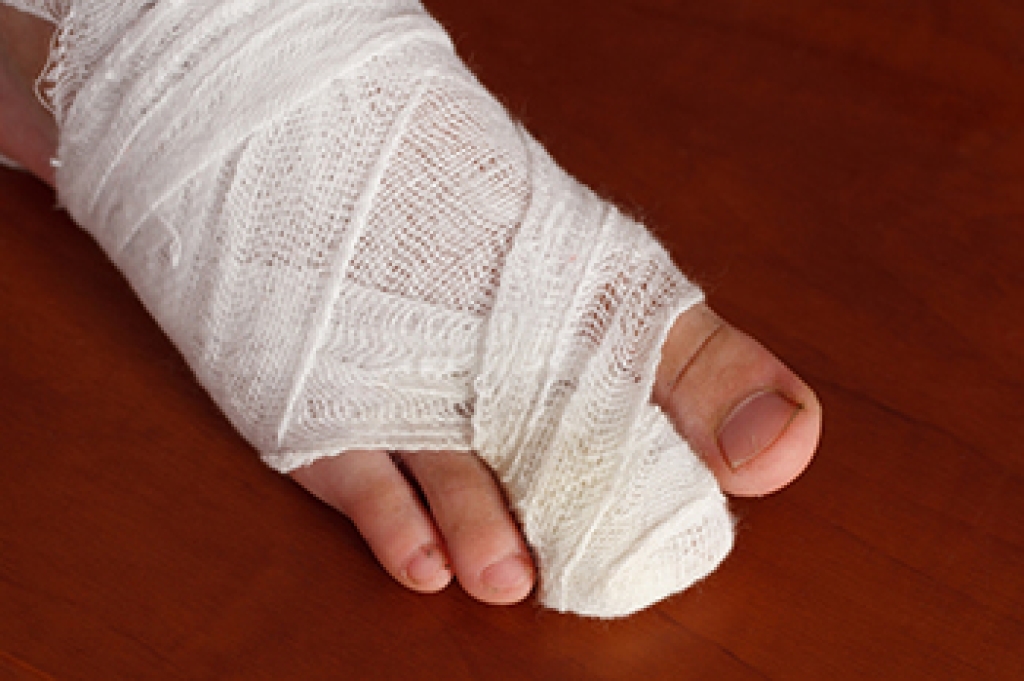
Broken toes, or toe fractures, typically occur when the toe experiences a sudden impact or pressure. This may be due to a heavy object falling on it or stubbing it against a hard surface, like furniture or steps. Symptoms of a broken toe include pain, swelling, and discoloration of the toenail because of trapped blood underneath. Fractures of the big toe potentially cause more intense pain, increased swelling, and bruising, which affects mobility. Diagnosis of a fractured toe is usually made through a physical examination by a podiatrist, often without the need for X-rays. Treatment may involve buddy taping, which is securing the injured toe to the adjacent one for support. Draining trapped blood under the toenail to help alleviate discomfort. A podiatrist also may prescribe wearing comfortable footwear or a protective boot to aid healing. In more serious cases, surgery may be required to correct the injury. For an exam, personalized guidance, and proper treatment of a broken toe, it is suggested that you schedule an appointment with a podiatrist.

A broken toe can be very painful and lead to complications if not properly fixed. If you have any concerns about your feet, contact David Williams, DPM from El Paso Feet. Our doctor will treat your foot and ankle needs.

What to Know About a Broken Toe

Although most people try to avoid foot trauma such as banging, stubbing, or dropping heavy objects on their feet, the unfortunate fact is that it is a common occurrence. Given the fact that toes are positioned in front of the feet, they typically sustain the brunt of such trauma. When trauma occurs to a toe, the result can be a painful break (fracture).

Symptoms of a Broken Toe

  • Throbbing pain
  • Swelling
  • Bruising on the skin and toenail
  • The inability to move the toe
  • Toe appears crooked or disfigured
  • Tingling or numbness in the toe

Generally, it is best to stay off of the injured toe with the affected foot elevated.

Severe toe fractures may be treated with a splint, cast, and in some cases, minor surgery. Due to its position and the pressure it endures with daily activity, future complications can occur if the big toe is not properly treated.

If you have any questions, please feel free to contact our office located in El Paso, TX . We offer the newest diagnostic and treatment technologies for all your foot care needs.
Read more about What to Know About a Broken Toe

Custom Orthotics For Foot and Heel Pain

Step into relief and reclaim your mobility! Foot and heel pain can be a thing of the past with the right Custom Orthotics. Customized to your unique foot structure, they provide the support and alignment needed to alleviate discomfort. Whether you're walking, running, or simply standing, Custom Orthotics ensure every step is cushioned and pain-free. Don't let foot ailments dictate your day. With Custom Orthotics, embrace a world of comfort and freedom. Call today to schedule an appointment.

Ingrown Toenails and Prevention Strategies

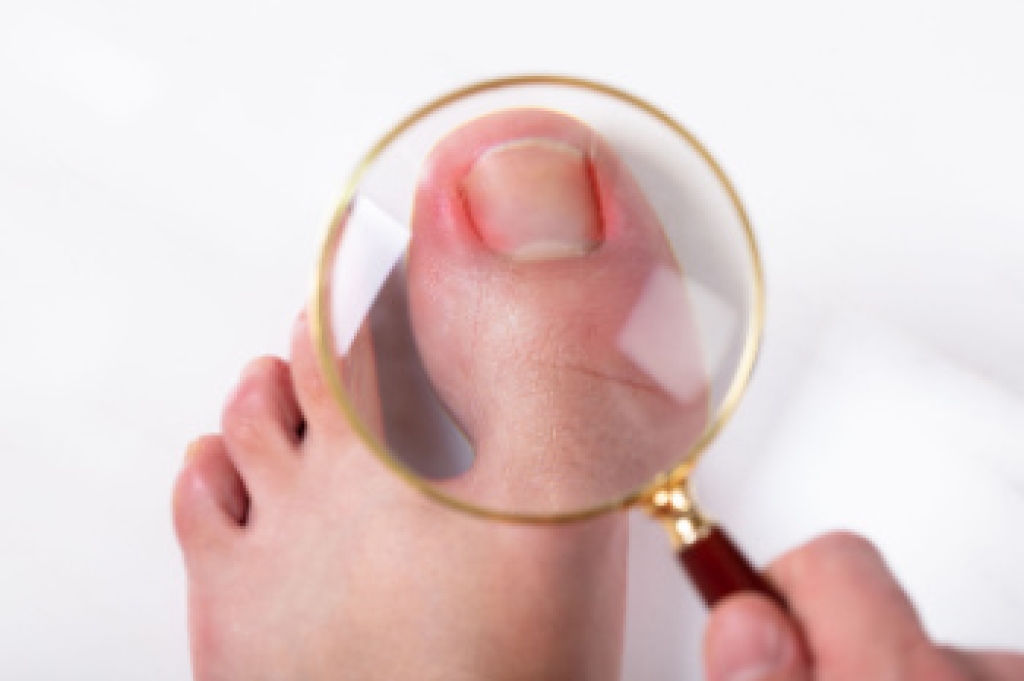
Ingrown toenails occur when the edge of a toenail grows into the surrounding skin, leading to pain, swelling, and sometimes infection. This condition often arises from improper nail trimming, wearing tight-fitting shoes, or sustaining foot injuries. To prevent ingrown toenails, proper foot care is essential. Trim toenails straight across, avoiding rounded edges, and ensure they are not too short. Wear shoes that provide ample toe room and avoid tight or narrow footwear that can exert pressure on the toes. Additionally, maintaining good foot hygiene by keeping feet clean and dry can help reduce the risk of infection. It is beneficial for individuals with diabetes or circulation problems to take extra precautions. If you have developed an ingrown toenail, it is suggested that you consult a podiatrist who can offer you effective treatment methods. 

Ingrown toenails can become painful if they are not treated properly. For more information about ingrown toenails, contact David Williams, DPM of El Paso Feet. Our doctor can provide the care you need to keep you pain-free and on your feet.

Ingrown Toenails

Ingrown toenails occur when a toenail grows sideways into the bed of the nail, causing pain, swelling, and possibly infection.

Causes

  • Bacterial infections
  • Improper nail cutting such as cutting it too short or not straight across
  • Trauma to the toe, such as stubbing, which causes the nail to grow back irregularly
  • Ill-fitting shoes that bunch the toes too close together
  • Genetic predisposition

Prevention

Wearing proper fitting shoes and using proper cutting techniques will also help decrease your risk of developing ingrown toenails.

Treatment

Ingrown toenails are a very treatable foot condition. In minor cases, soaking the affected area in salt or antibacterial soaps will not only help with the ingrown nail itself, but also help prevent any infections from occurring. In more severe cases, surgery is an option. In either case, speaking to your podiatrist about this condition will help you get a better understanding of specific treatment options that are right for you.

If you have any questions, please feel free to contact our office located in El Paso, TX . We offer the newest diagnostic and treatment technologies for all your foot care needs.
Read more about Ingrown Toenail Care

Special Needs Population and Custom Orthotics

For individuals with special needs, foot and ankle conditions are often more prevalent, necessitating careful consideration when prescribing custom orthotics. Conditions like plantar fasciitis, medial tibial stress syndrome, hallux limitus, and rigidus are commonly observed, especially among those with Down syndrome or Fragile X syndrome. When designing orthotics for special needs patients, modifications may be required to accommodate unique foot shapes and biomechanical issues. Attention to materials and shoe compatibility is important to ensure optimal support and comfort. A biomechanical examination is essential to assess gait patterns and identify specific needs. Podiatrists specialize in working with such patients, providing tailored orthotic solutions, and collaborating with caregivers to address individual requirements effectively. If you have special needs and have foot issues, or if you are caring for such an individual, it is suggested that you schedule an appointment with a podiatrist who can help enhance their mobility, comfort, and overall foot health.

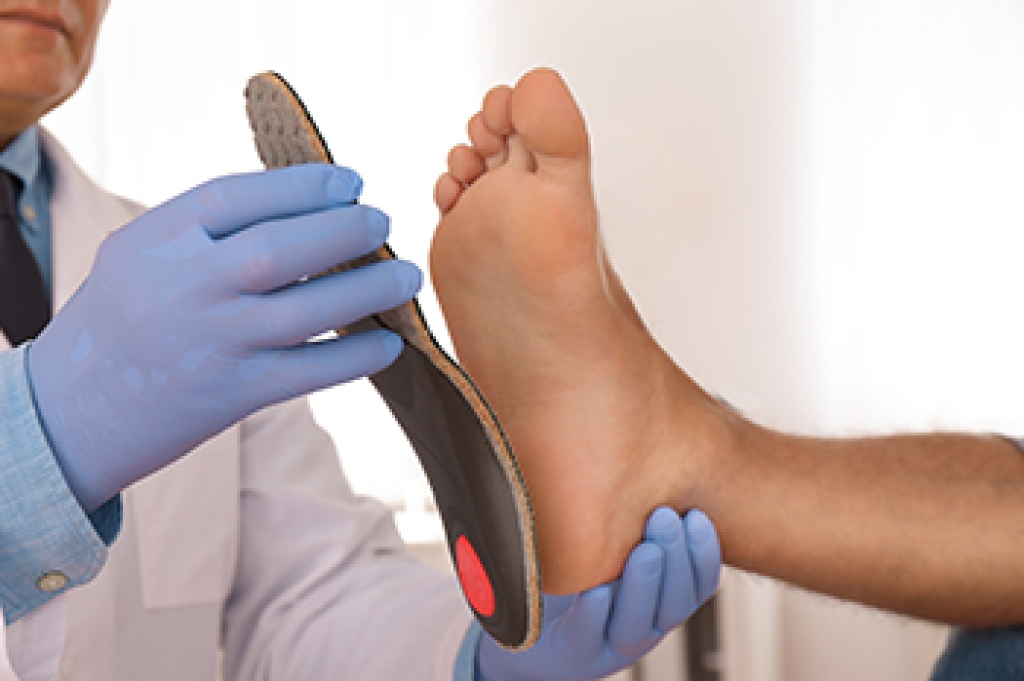
Custom orthotics are often an effective solution for people experiencing heel pain, offering both comfort and correction for the underlying causes of discomfort. Heel pain commonly develops when the natural support of the foot becomes strained or imbalanced, leading to inflammation and irritation in the heel area. Conditions such as plantar fasciitis, heel spurs, or flat feet can all contribute to chronic heel pain that worsens with walking or standing. Custom orthotics are designed to fit the exact shape of your foot, providing the support and alignment necessary to reduce stress on the heel and surrounding tissues.

By redistributing pressure and improving overall foot mechanics, custom orthotics allow the heel to function more efficiently during movement. They cushion each step, absorb shock, and correct abnormal gait patterns that may be contributing to pain. Over time, this consistent support can ease inflammation, protect against re-injury, and enhance comfort during both daily and athletic activities.

Unlike prefabricated insoles, custom orthotics are created from a detailed evaluation that may include digital scans or molds of your feet. This ensures a precise and individualized fit that addresses your specific condition. They can be used in various types of footwear, from athletic shoes to dress styles, making them a versatile option for ongoing relief.

If heel pain is limiting your comfort or activity level, it is suggested that you call our office for more information or to schedule an appointment.

If you have any questions please contact our office located in El Paso, TX

Read more about Investing in Custom Orthotics Means Investing in Foot Health

Connect With Us

scroll to top