Recognizing Signs of Diabetes in the Foot

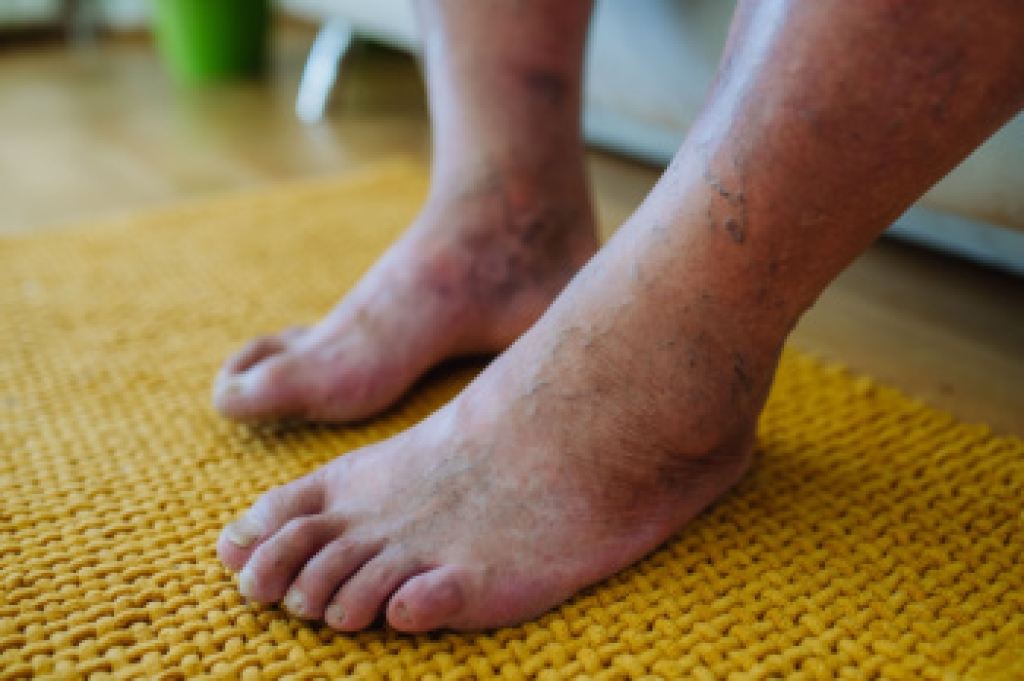
Diabetes can manifest in the feet through several noticeable signs. One common symptom is persistent numbness or tingling, often caused by nerve damage, known as diabetic neuropathy. This condition can lead to a loss of sensation, making it difficult to detect injuries or infections. Another sign is slow-healing sores or ulcers, which can develop from minor cuts or blisters due to poor circulation. Discoloration of the skin, such as redness, can indicate inflammation or infection. Swelling in the feet and ankles might also be present, signaling potential underlying issues. Additionally, changes in skin texture, including dryness or cracking, can occur. Fungal infections, particularly between the toes, are more frequent in diabetics. If you have diabetes, it is strongly suggested that you are under the care of a podiatrist who can help you manage this serious condition.

Diabetic foot care is important in preventing foot ailments such as ulcers. If you are suffering from diabetes or have any other concerns about your feet, contact David Williams, DPM from El Paso Feet. Our doctor can provide the care you need to keep you pain-free and on your feet.

Diabetic Foot Care

Diabetes affects millions of people every year. The condition can damage blood vessels in many parts of the body, especially the feet. Because of this, taking care of your feet is essential if you have diabetes, and having a podiatrist help monitor your foot health is highly recommended.

The Importance of Caring for Your Feet

  • Routinely inspect your feet for bruises or sores.
  • Wear socks that fit your feet comfortably.
  • Wear comfortable shoes that provide adequate support.

Patients with diabetes should have their doctor monitor their blood levels, as blood sugar levels play such a huge role in diabetic care. Monitoring these levels on a regular basis is highly advised.

It is always best to inform your healthcare professional of any concerns you may have regarding your feet, especially for diabetic patients. Early treatment and routine foot examinations are keys to maintaining proper health, especially because severe complications can arise if proper treatment is not applied.

If you have any questions, please feel free to contact our office located in El Paso, TX . We offer the newest diagnostic and treatment technologies for all your foot care needs.

Read more about How to Care for Diabetic Foot

Custom Orthotics For Outdoor Activity

Embrace the great outdoors with confidence and comfort! Whether you're hiking, jogging, or exploring nature, Custom Orthotics are your perfect companion. Tailored to your foot's unique needs, they provide stability on uneven terrains and cushioning for those longer adventures. Don't let foot discomfort limit your outdoor experiences. With Custom Orthotics, every step is supported and secure. Call today to schedule an appointment.

Achilles Tendon Ruptures in Sports Activities

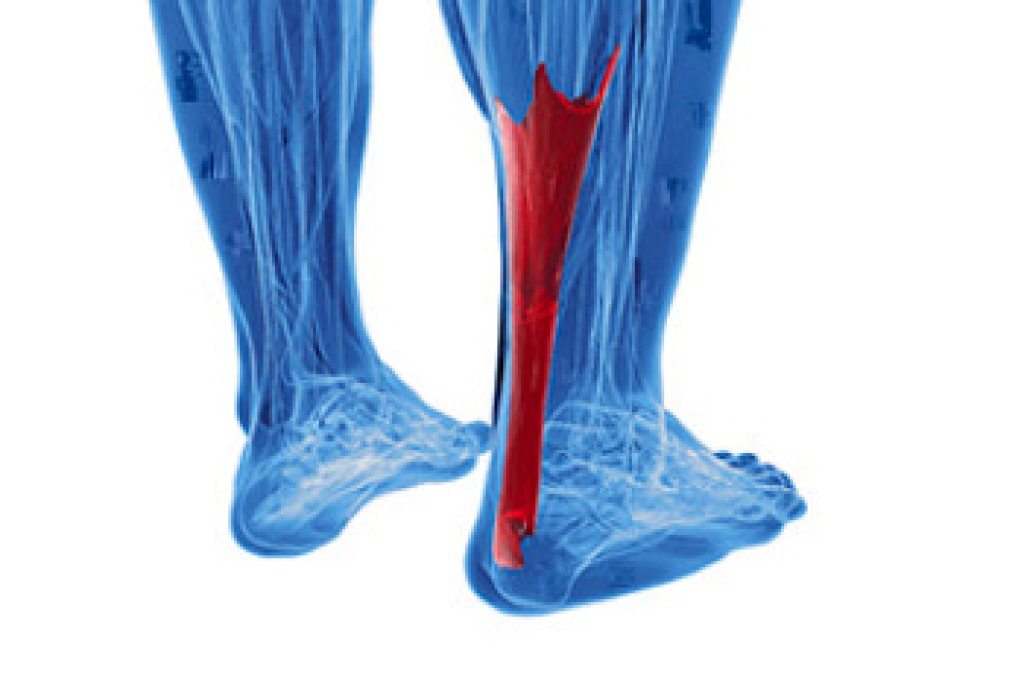
Achilles tendon ruptures are a significant injury that can often affecting athletes engaged in high-impact sports like basketball, soccer, and tennis. This injury happens when the tendon connecting the calf muscles to the heel bone tears, typically during a sudden acceleration, jump, or change in direction. The rupture results in immediate pain, swelling, and an inability to push off the foot or stand on tiptoe. Risk factors include inadequate warm-up, tight calf muscles, and previous tendonitis. Early diagnosis and treatment are important and may include surgical repair for optimal recovery. Preventative measures, such as regular stretching, strengthening exercises, and wearing appropriate footwear, can reduce the risk of an Achilles tendon rupture. If you have endured this type of injury, it is suggested that you schedule an appointment with a podiatrist who can successfully treat an Achilles tendon injury.

Achilles tendon injuries need immediate attention to avoid future complications. If you have any concerns, contact David Williams, DPM of El Paso Feet. Our doctor can provide the care you need to keep you pain-free and on your feet.

What Is the Achilles Tendon?

The Achilles tendon is a tendon that connects the lower leg muscles and calf to the heel of the foot. It is the strongest tendon in the human body and is essential for making movement possible. Because this tendon is such an integral part of the body, any injuries to it can create immense difficulties and should immediately be presented to a doctor.

What Are the Symptoms of an Achilles Tendon Injury?

There are various types of injuries that can affect the Achilles tendon. The two most common injuries are Achilles tendinitis and ruptures of the tendon.

Achilles Tendinitis Symptoms

  • Inflammation
  • Dull to severe pain
  • Increased blood flow to the tendon
  • Thickening of the tendon

Rupture Symptoms

  • Extreme pain and swelling in the foot
  • Total immobility

Treatment and Prevention

Achilles tendon injuries are diagnosed by a thorough physical evaluation, which can include an MRI. Treatment involves rest, physical therapy, and in some cases, surgery. However, various preventative measures can be taken to avoid these injuries, such as:

  • Thorough stretching of the tendon before and after exercise
  • Strengthening exercises like calf raises, squats, leg curls, leg extensions, leg raises, lunges, and leg presses

If you have any questions please feel free to contact our office located in El Paso, TX . We offer the newest diagnostic tools and technology to treat your foot and ankle needs.

Read more about Achilles Tendon Injuries

Custom Orthotics as Part of Treatment Plan for Plantar Fasciitis

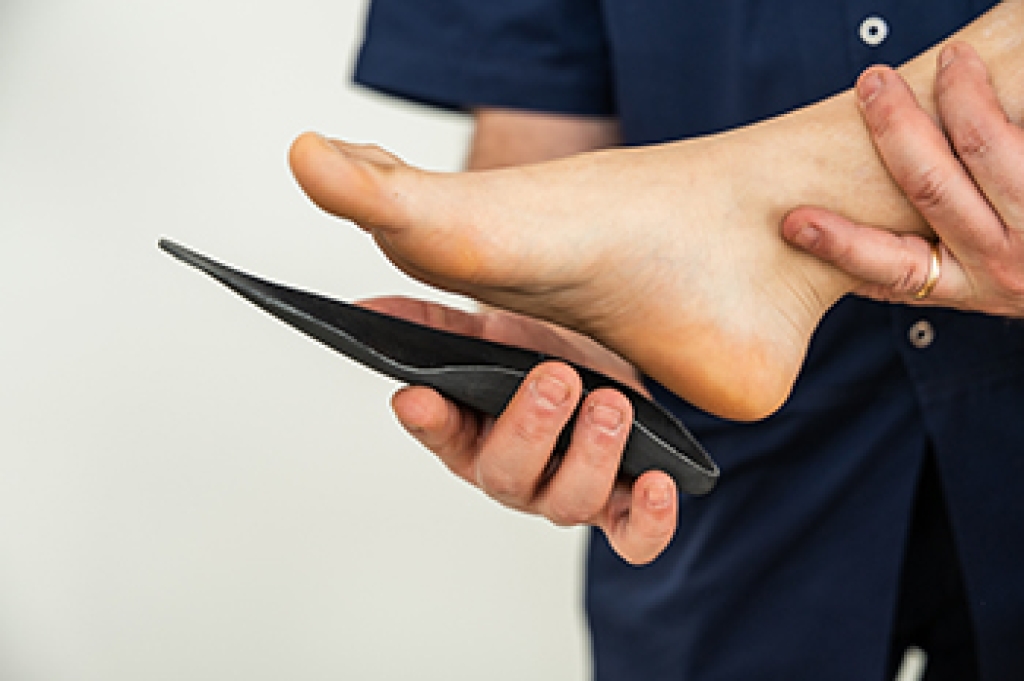
Custom-made orthotics are specifically designed shoe inserts tailored to an individual's unique foot structure and needs. They play a significant role in treating plantar fasciitis, a common condition caused by inflammation of the plantar fascia, a thick band of tissue connecting the heel bone to the toes, causing heel pain. These orthotics provide targeted support and cushioning, helping to redistribute pressure across the feet, reduce strain on the plantar fascia, and correct abnormal foot mechanics that contribute to the condition. By improving alignment and stability, custom orthotics can alleviate pain, enhance comfort, and promote healing as part of a comprehensive treatment program. In addition to wearing orthotics, treatment for plantar fasciitis may include stretching exercises, anti-inflammatory medications, and proper footwear. Consistent use of orthotics can prevent recurrence and provide long-term relief. If you suffer from plantar fasciitis, it is suggested that you consult a podiatrist who can design orthotics suited to your specific needs. 

Our feet carry us through every part of life, absorbing the impact of thousands of steps each day. When they are not properly supported, the effects can extend far beyond the feet themselves. Custom orthotics provide the foundation the body needs by aligning, cushioning, and stabilizing each foot in its most natural position. They are carefully crafted to match the unique structure of each individual’s feet, allowing them to move efficiently and comfortably while reducing stress on the muscles, joints, and ligaments.

Proper foot support is essential for maintaining balance and preventing fatigue. Without it, the body compensates by shifting weight unevenly, which can lead to discomfort in the ankles, knees, hips, or lower back. Custom orthotics help restore this balance by redistributing pressure and promoting a more natural walking pattern. They not only ease existing pain but also protect against future strain or injury by supporting the arches and controlling excessive motion.

Unlike store-bought insoles, custom orthotics are created through detailed assessment and advanced technology to provide precise correction and comfort. They fit seamlessly into most shoes, making them ideal for daily wear, work, or sports.

If your feet feel tired, sore, or unsupported, it is recommended that you contact our office for more information, or to make an appointment.

If you have any questions please contact our office located in El Paso, TX

Read more about Investing in Custom Orthotics Means Investing in Foot Health

Painful Bunions? There's a New Treatment Option in Lapiplasty®

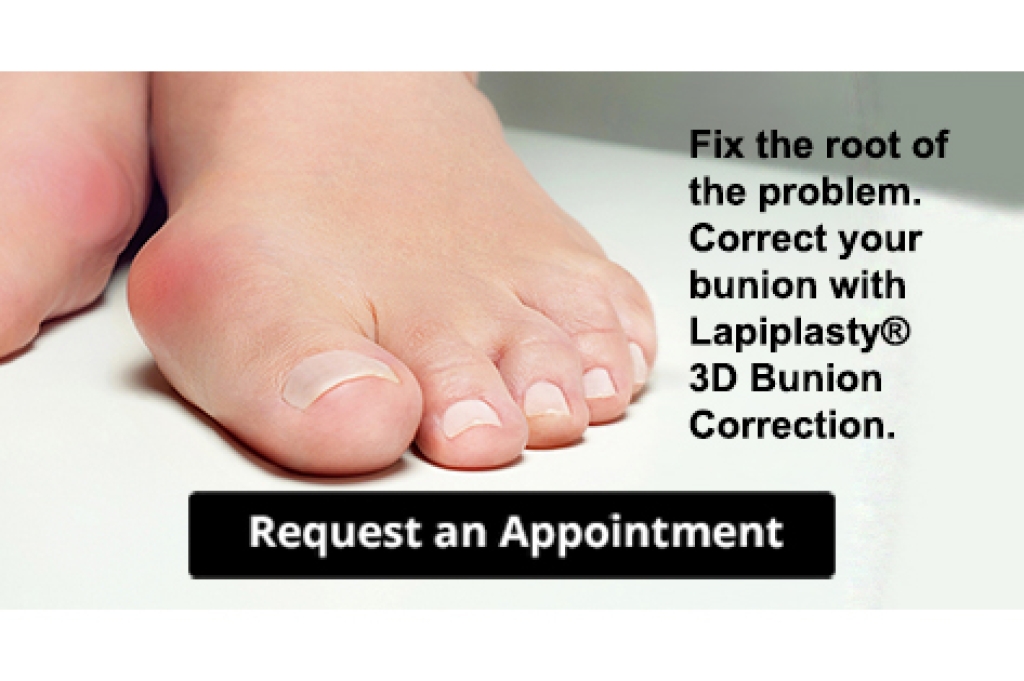
Tired of your bunion? Do more than just remove "the bump" — address your bunion in three dimensions to correct the root of the problem. Consider Lapiplasty® 3D Bunion Correction. Using advanced fixation technology to secure the correction in place, patients can walk within days of surgery.

Connect With Us

scroll to top