
Understanding Recurrent Gout and Environmental Triggers

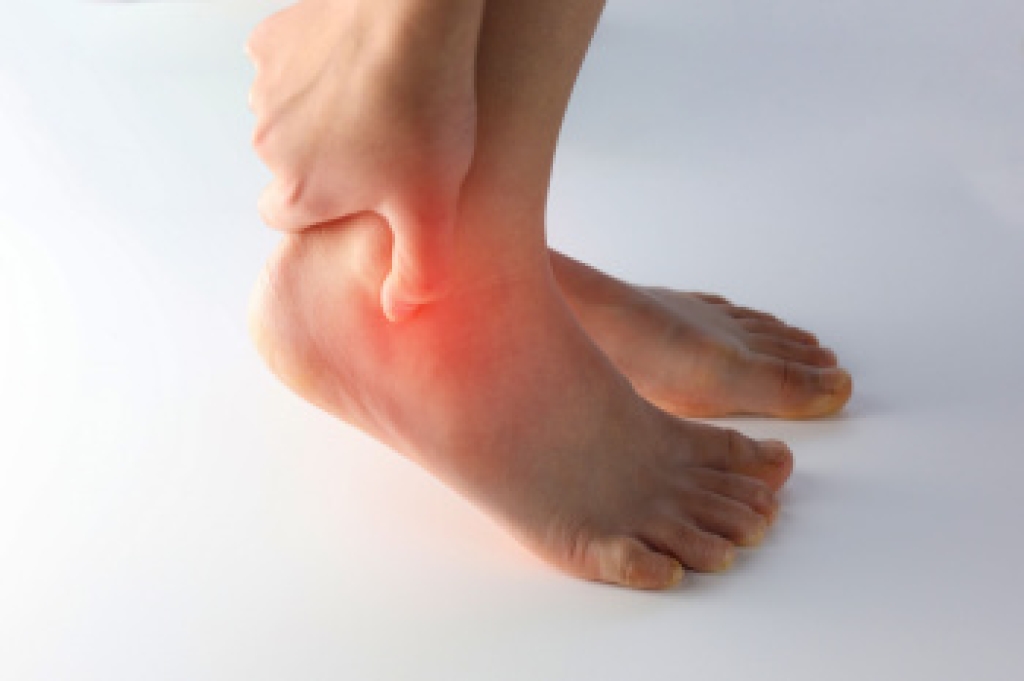
Gout is a chronic condition characterized by repeated episodes of joint inflammation due to excess uric acid in the body. When uric acid crystals accumulate in the joints, they can cause sudden and painful flare-ups. Recurrent gout attacks occur when underlying causes are not fully addressed, leading to ongoing crystal formation. This condition commonly affects the big toe but can involve the ankle and other joints as well. The pain can be debilitating and may cause a delay in completing daily activities. Learning about the causes and triggers of recurrence can help individuals better manage their symptoms.

The symptoms of gout include sharp pain, swelling, redness, and limited movement in the affected joint, usually the big toe. These episodes can begin quickly and may last for several days. After repeated attacks, the joint may remain sensitive and prone to future flare-ups. Risk factors include high-purine diets, excess body weight, and inadequate hydration. Certain medications and medical conditions can also contribute to elevated uric acid levels, increasing the likelihood of recurrence.


Temperature and humidity also play a role in the development of gout symptoms. Lower temperatures can encourage uric acid crystals to form more easily in the joints, particularly in the feet. High humidity may lead to fluid loss and reduced kidney function, which can affect the body’s ability to remove uric acid. Additional causes of recurrent gout include poor dietary habits, excessive alcohol intake, and lack of consistent medical care. Recognizing these influences can help individuals take preventive steps.


Managing gout effectively requires a combination of lifestyle adjustments and medical guidance. Maintaining hydration, following a balanced diet, and avoiding known triggers can help reduce flare-ups. Early attention to symptoms can prevent complications and improve quality of life. If you are dealing with recurrent gout attacks, it is suggested that you consult a podiatrist for effective relief, treatment and management solutions. 

Gout is a painful condition that can be treated. If you are seeking treatment, contact David Williams, DPM from El Paso Feet. Our doctor will treat your foot and ankle needs.

What Is Gout?

Gout is a form of arthritis that is characterized by sudden, severe attacks of pain, redness, and tenderness in the joints. The condition usually affects the joint at the base of the big toe. A gout attack can occur at any random time, such as the middle of the night while you are asleep.

Symptoms

  • Intense Joint Pain - Usually around the large joint of your big toe, and it most severe within the first four to twelve hours
  • Lingering Discomfort - Joint discomfort may last from a few days to a few weeks
  • Inflammation and Redness -Affected joints may become swollen, tender, warm and red
  • Limited Range of Motion - May experience a decrease in joint mobility

Risk Factors

  • Genetics - If family members have gout, you’re more likely to have it
  • Medications - Diuretic medications can raise uric acid levels
  • Gender/Age - Gout is more common in men until the age of 60. It is believed that estrogen protects women until that point
  • Diet - Eating red meat and shellfish increases your risk
  • Alcohol - Having more than two alcoholic drinks per day increases your risk
  • Obesity - Obese people are at a higher risk for gout

Prior to visiting your podiatrist to receive treatment for gout, there are a few things you should do beforehand. If you have gout you should write down your symptoms--including when they started and how often you experience them, important medical information you may have, and any questions you may have. Writing down these three things will help your podiatrist in assessing your specific situation so that he or she may provide the best route of treatment for you.

If you have any questions, please feel free to contact our office located in El Paso, TX . We offer the newest diagnostic and treatment technologies for all your foot care needs.

Read more about Everything You Need to Know About Gout

Exercises Can Help to Reduce Foot Pain

Healthy feet absorb shock, maintain balance, and provide a stable base with every step. When foot muscles become weak or stiff, extra stress develops in the arches, heels, and toes. Regular foot exercise helps improve movement and builds strength in areas that work hard every day. Helpful exercises include toe spreads, standing calf raises, and writing the alphabet with the big toe to improve mobility. Another useful exercise is the asterisk drill, which challenges balance while strengthening the foot and ankle. Bent-knee heel raises also help support the back of the foot and ankle. These movements encourage better control while walking and can reduce strain on the tissues that support the foot.

Exercise works best when performed with proper technique. Poor form can place added stress on painful areas instead of improving them. Patients who continue to experience discomfort while walking, standing, or exercising should seek a professional evaluation instead of ignoring the problem. A podiatrist can determine the cause of the pain through a complete examination. Diagnosis includes evaluating foot structure, joint movement, and muscle strength. A podiatrist also looks for conditions like plantar fasciitis, arthritis, or nerve irritation that contribute to pain. Once the cause is identified, treatment focuses on correcting the problem while helping restore comfortable movement.

A podiatrist can suggest an exercise program based on each patient's condition instead of recommending the same routine for everyone. Care may also include custom orthotics that improve foot alignment and reduce pressure on painful areas. Braces or other supportive devices may be prescribed when appropriate. Patients also receive guidance about choosing shoes that provide proper support and fit correctly. Combining professional treatment with targeted exercises gives the feet a better opportunity to regain strength, improve mobility, and reduce pain. Stronger foot muscles support healthier movement with every step. If you have intense or consistent foot pain, it is suggested that you schedule an appointment with a podiatrist for a diagnosis and appropriate treatment.

Exercising your feet regularly with the proper foot wear is a great way to prevent injuries and build strength. If you have any concerns about your feet, contact David Williams, DPM from El Paso Feet. Our doctor can provide the care you need to keep you pain-free and on your feet.

Exercise for Your Feet

Exercise for your feet can help you gain strength, mobility and flexibility in your feet. They say that strengthening your feet can be just as rewarding as strengthening another part of the body. Your feet are very important, and we often forget about them in our daily tasks. But it is because of our feet that are we able to get going and do what we need to. For those of us fortunate enough to not have any foot problems, it is an important gesture to take care of them to ensure good health in the long run.

Some foot health exercises can include ankle pumps, tip-toeing, toe rises, lifting off the floor doing reps and sets, and flexing the toes. It is best to speak with Our doctor to determine an appropriate regimen for your needs. Everyone’s needs and bodies are different, and the activities required to maintain strength in the feet vary from individual to individual. 

Once you get into a routine of doing regular exercise, you may notice a difference in your feet and how strong they may become.

If you have any questions, please feel free to contact our office located in El Paso, TX . We offer the newest diagnostic and treatment technologies for all your foot care needs.

Read more about Exercise for Your Feet

Connect With Us

Advanced Podiatric Procedures & Services in the El Paso County, TX: El Paso, Socorro, Horizon City, Clint, San Elizario, Doña Ana County, NM: Sunland Park, Santa Teresa, Anthony, Hudspeth County, TX: Fort Hancock areas