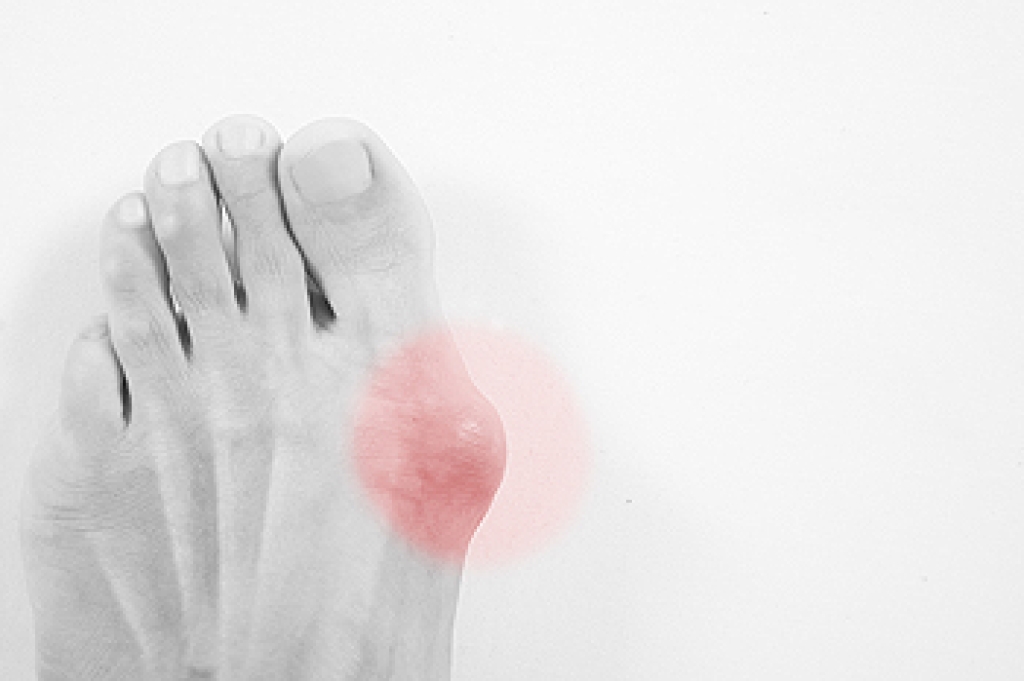
Diabetic Limb Salvage and Podiatrists

Diabetic limb salvage focuses on preserving foot structure and function while reducing the risk of wounds and limb loss. In podiatry, the foot is evaluated as a biomechanical system rather than an isolated sore, allowing pressure points, deformity, and joint alignment to be addressed together. A podiatrist can provide wound care, offloading, and monitoring while considering how walking forces affect the toes, midfoot, and ankle. When clinic-based care is not enough, surgery can correct imbalance, remove pressure from high-risk areas, and stabilize unstable joints. Long-term planning is essential for diabetic limb salvage, since changes in foot mechanics can shift pressure and create new problems. Ongoing evaluation helps protect tissue and maintain mobility. For help with foot problems, it is suggested that you consult a podiatrist for an exam and treatment.

Diabetic Limb Salvage

Diabetic limb salvage can be an effective way in preventing the need for limb amputation. If you have a foot ulcer and diabetes, consult with David Williams, DPM from El Paso Feet. Our doctor will assess your condition and provide you with quality foot and ankle treatment.

What Is Diabetic Limb Salvage?

Diabetic limb salvage is the attempt of saving a limb, such as the foot, that has an infected ulcer, from amputation. Podiatrists also try to make sure that there is enough function in the foot after the salvage that it is still usable. Those with diabetes experience poor blood circulation, which prevents proper healing of an ulcer. If the ulcer is left uncheck, it could become infected, which could result in the need for amputation.

Diabetes is the number one cause of non-traumatic amputations in the United States. Amputation has been found to lead to higher mortality rates. This translates into higher healthcare costs, and a reduced quality of life and mobility for amputees. Podiatrists have attempted to increase the prevalence of limb salvage in an attempt to solve these issues.

Diagnosis and Treatment

Limb salvage teams have grown in recent years that utilize a number of different treatments to save the infected limb. This includes podiatrists that specialize in wound care, rehabilitation, orthotics, and surgery. Through a combination of these methods, limb salvage has been found to be an effective treatment for infected limbs, and as an alternative to amputation. Podiatrists will first evaluate the potential for limb salvage and determine if the limb can be saved or must be amputated. 

If you have any questions, please feel free to contact our office located in El Paso, TX . We offer the newest diagnostic and treatment technologies for all your foot care needs.

Read more about Diabetic Limb Salvage

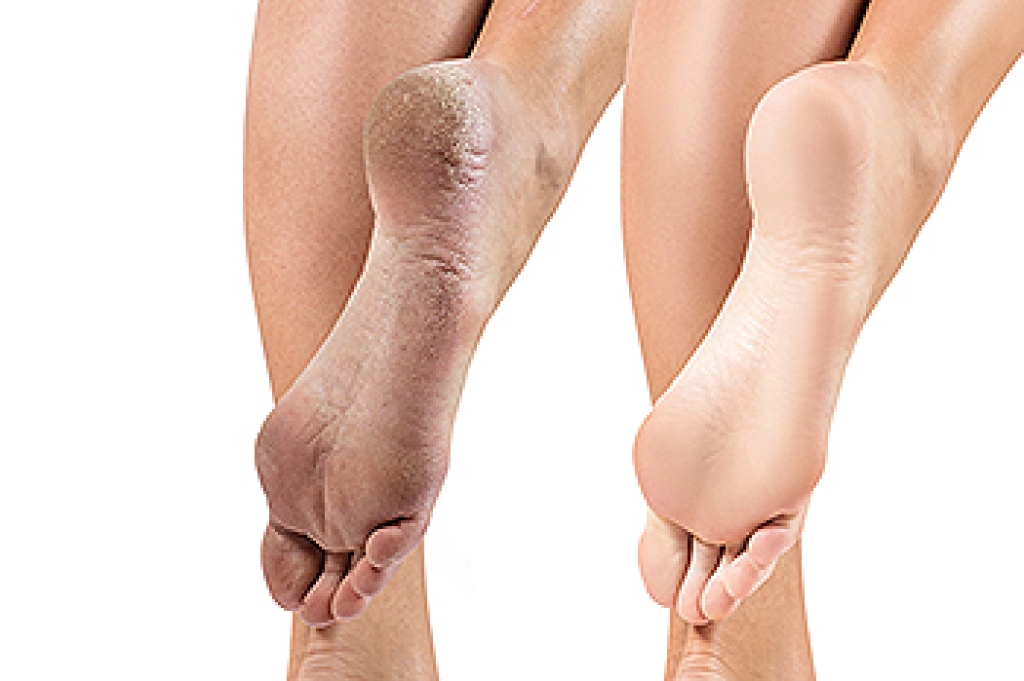
Flat Feet and Podiatric Care for Arch Support

Flat feet, also known as fallen arches, occur when the arches of the feet collapse or fail to develop properly, causing the soles to make full contact with the ground. Symptoms include foot fatigue, aching in the arches or heels, ankle instability, swelling, and pain that can extend to the knees or lower back. Common causes include genetics, ligament laxity, injury, obesity, aging, or conditions that weaken the foot structures. Flat feet may also develop over time from prolonged standing or wearing improper footwear. A podiatrist can help by evaluating foot alignment and gait, providing custom orthotics, recommending supportive shoes, and creating a treatment plan to reduce pain and improve function. If you have flat feet and are experiencing foot pain or fatigue, it is suggested that you consult a podiatrist who can offer effective relief and management tips.

Flatfoot is a condition many people suffer from. If you have flat feet, contact David Williams, DPM from El Paso Feet. Our doctor will treat your foot and ankle needs.

What Are Flat Feet?

Flatfoot is a condition in which the arch of the foot is depressed and the sole of the foot is almost completely in contact with the ground. About 20-30% of the population generally has flat feet because their arches never formed during growth.

Conditions & Problems:

Having flat feet makes it difficult to run or walk because of the stress placed on the ankles.

Alignment – The general alignment of your legs can be disrupted, because the ankles move inward which can cause major discomfort.

Knees – If you have complications with your knees, flat feet can be a contributor to arthritis in that area.  

Symptoms

  • Pain around the heel or arch area
  • Trouble standing on the tip toe
  • Swelling around the inside of the ankle
  • Flat look to one or both feet
  • Having your shoes feel uneven when worn

Treatment

If you are experiencing pain and stress on the foot you may weaken the posterior tibial tendon, which runs around the inside of the ankle. 

If you have any questions, please feel free to contact our office located in El Paso, TX . We offer the newest diagnostic and treatment technologies for all your foot care needs.
Read more about What is Flexible Flat Foot?

Do You Feel Like You Are Walking on a Pebble?

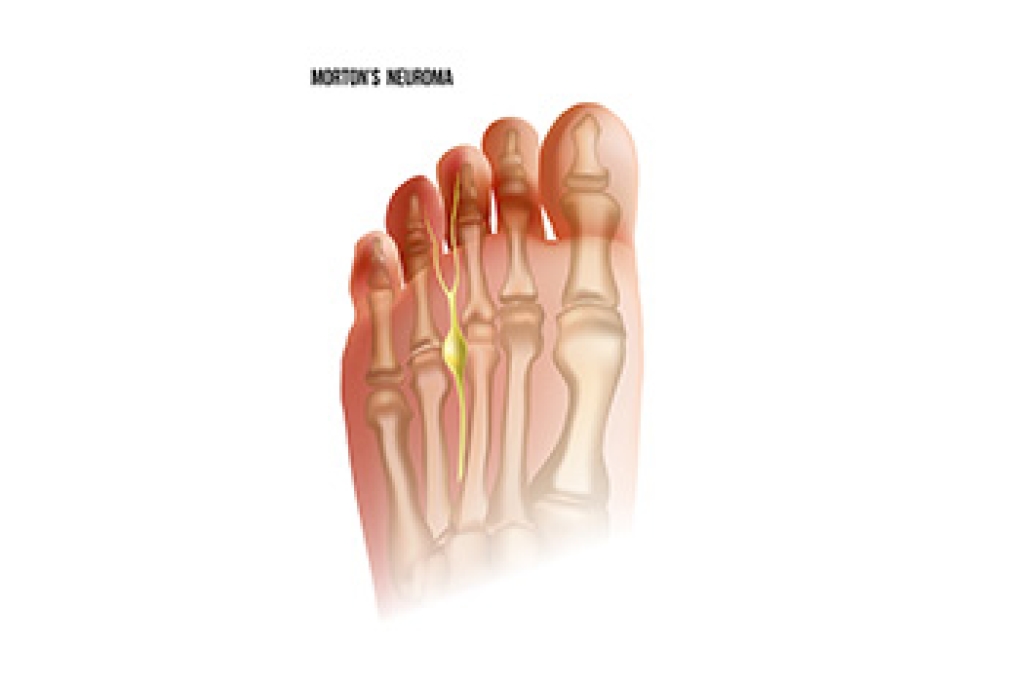
If you are overweight, or wear high heeled/narrow-toed shoes, you may be more at risk for developing Morton’s Neuroma. Morton’s Neuroma is a non-cancerous thickening of the nerve between toes, usually the 3rd and 4th toes, which causes tingling, burning, inflammation and irritation. As the thickened nerve expands, it becomes further irritated by the surrounding bones and ligaments it comes in contact with. Morton’s Neuroma—also known as interdigital neuroma, intermetatarsal neuroma, and forefoot neuroma—typically occurs in only one foot and is more common in women than men. If you experience pain or feel as if a pebble is stuck in the ball of your foot, contact a podiatrist for proper treatment.

Morton’s neuroma is a very uncomfortable condition to live with. If you think you have Morton’s neuroma, contact David Williams, DPM of El Paso Feet. Our doctor will attend to all of your foot care needs and answer any of your related questions.  

Morton’s Neuroma

Morton's neuroma is a painful foot condition that commonly affects the areas between the second and third or third and fourth toe, although other areas of the foot are also susceptible. Morton’s neuroma is caused by an inflamed nerve in the foot that is being squeezed and aggravated by surrounding bones.

What Increases the Chances of Having Morton’s Neuroma?

  • Ill-fitting high heels or shoes that add pressure to the toe or foot
  • Jogging, running or any sport that involves constant impact to the foot
  • Flat feet, bunions, and any other foot deformities

Morton’s neuroma is a very treatable condition. Orthotics and shoe inserts can often be used to alleviate the pain on the forefront of the feet. In more severe cases, corticosteroids can also be prescribed. In order to figure out the best treatment for your neuroma, it’s recommended to seek the care of a podiatrist who can diagnose your condition and provide different treatment options.

If you have any questions, please feel free to contact our office located in El Paso, TX . We offer the newest diagnostic and treatment technologies for all your foot care needs.

Read more about What is Morton's Neuroma?

Reminder: When Was the Last Time...?

Custom orthotics, or shoe inserts, should be periodically replaced. Orthotics must fit properly to give you the best results. Protect your feet and ankles!

Understanding Toe Infections

A toe infection occurs when bacteria, fungi, or other microorganisms enter the skin or nail, leading to inflammation and discomfort. Common causes include an injury that breaks the skin, natural nail growth that becomes trapped in the surrounding tissue, or an underlying medical condition that weakens the skin or immune system. Symptoms may include redness, swelling, throbbing pain, warmth, drainage, or difficulty wearing shoes comfortably. A podiatrist can evaluate the infection, clean the affected area, prescribe medication, and provide guidance to prevent future problems. Prompt treatment reduces the risk of spreading or more serious complications. If you notice signs of a toe infection, it is suggested that you promptly schedule an appointment with a podiatrist who can offer effective relief and treatment solutions. 

Toe pain can disrupt your daily activities. If you have any concerns, contact David Williams, DPM of El Paso Feet. Our doctor can provide the care you need to keep you pain-free and on your feet.

What Causes Toe Pain?

Most severe toe pain is caused due to a sports injury, trauma from dropping something heavy on the toe, or bumping into something rigid. Other problems can develop over time for various reasons.

Toe pain can be caused by one or more ailments. The most common include:

  • Trauma
  • Sports injury
  • Wearing shoes that are too tight
  • Arthritis
  • Gout
  • Corns and calluses
  • Hammertoe
  • Bunions
  • Blisters
  • Ingrown toenails
  • Sprains
  • Fractures (broken bones)
  • Dislocations

When to See a Podiatrist

  • Severe pain
  • Persistent pain that lasts more than a week
  • Signs of infection
  • Continued swelling
  • Pain that prevents walking

Diagnosis

In many cases the cause of toe pain is obvious, but in others, a podiatrist may want to use more advanced methods to determine the problem. These can range from simple visual inspections and sensation tests to X-rays and MRI scans. Prior medical history, family medical history, and any recent physical traumatic events will all be taken into consideration for a proper diagnosis.

Treatment

Treatments for toe pain and injuries vary and may include shoe inserts, padding, taping, medicines, injections, and in some cases, surgery. If you believe that you have broken a toe, please see a podiatrist as soon as possible.

If you have any questions please contact our office located in El Paso, TX . We offer the newest diagnostic and treatment technologies for all your foot and ankle needs.

Read more about Toe Pain

Connect With Us

scroll to top