Gentle Foot Care for a Fragile Skin Condition

Epidermolysis bullosa is a rare condition where the skin is extremely delicate and can blister from minor friction or pressure. This condition is usually caused by inherited gene changes that make the skin layers less able to stay connected, so they separate easily with friction. The feet are often affected because of daily walking and shoe contact. Even simple movement can lead to painful blisters, open areas, and the risk of infection. Care focuses on protecting the skin and reducing irritation. Soft, well-fitted shoes and padded socks can help limit rubbing. Dressings are often used to shield sensitive areas and support healing. Regular foot checks are important to catch small problems before they worsen. Nail care and careful trimming of thickened skin may also be needed to reduce pressure points. Because this condition requires ongoing attention, care is often gentle and consistent rather than aggressive. If you or a loved one has fragile skin and develops foot wounds, it is suggested that you see a podiatrist for a careful evaluation and support.

Some foot conditions may require additional professional care. If you have any concerns, contact David Williams, DPM of El Paso Feet. Our doctor can provide the care you need to keep you pain-free and on your feet.

Rare Foot Conditions

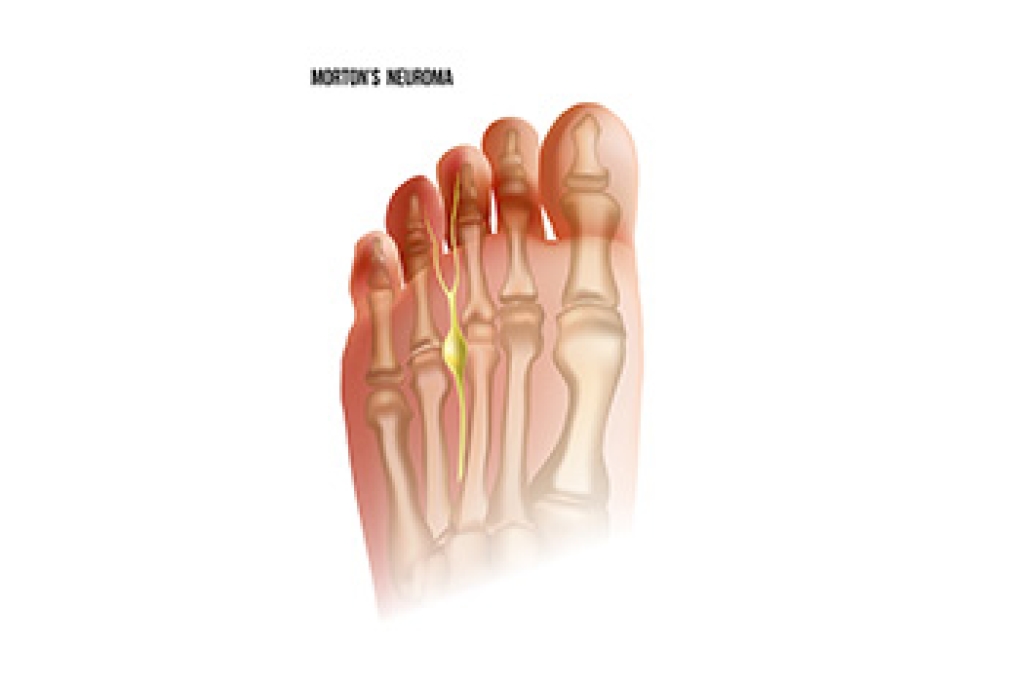
The majority of foot conditions are common and can be treated by a podiatrist.  Standard diagnostic procedures are generally used to identify specific conditions and treatment can be rendered. A podiatrist also treats rare foot conditions which can be difficult to diagnose and may need extra attention and care. 

There are many rare foot conditions that can affect children. Some of these can include:

  • Freiberg’s disease
  • Kohler’s disease
  • Maffucci syndrome

Freiberg’s disease - This can be seen as a deterioration and flattening of a metatarsal bone that exists in the ball of the foot. It typically affects pre-teen and teenage girls, but can affect anyone at any age. Symptoms that can accompany this can be swelling, stiffness, and the patient may limp. 

Kohler’s disease - This often targets the bone in the arch of the foot and affects younger boys. It can lead to an interruption of the blood supply which ultimately can lead to bone deterioration. The patient may limp or experience tenderness, swelling, and redness.

Maffucci syndrome - This affects the long bones in a child’s foot leading to the development of abnormal bone lesions. They are benign growths and typically develop in early childhood and the bones may be susceptible to breaking. 

A podiatrist can properly diagnose and treat all types of rare foot conditions. If your child is affected by any of these symptoms or conditions, please don’t hesitate to call our office so the correct treatment method can begin.

If you have any questions, please feel free to contact our office located in El Paso, TX . We offer the newest diagnostic and treatment technologies for all your foot care needs.
Read more about Rare Foot Conditions

Do Your Child's Feet Hurt?

Have your child's feet been examined lately? Healthy feet are happy feet. If your child is complaining of foot pain, it may be a sign of underlying problems.

Types of Foot Issues

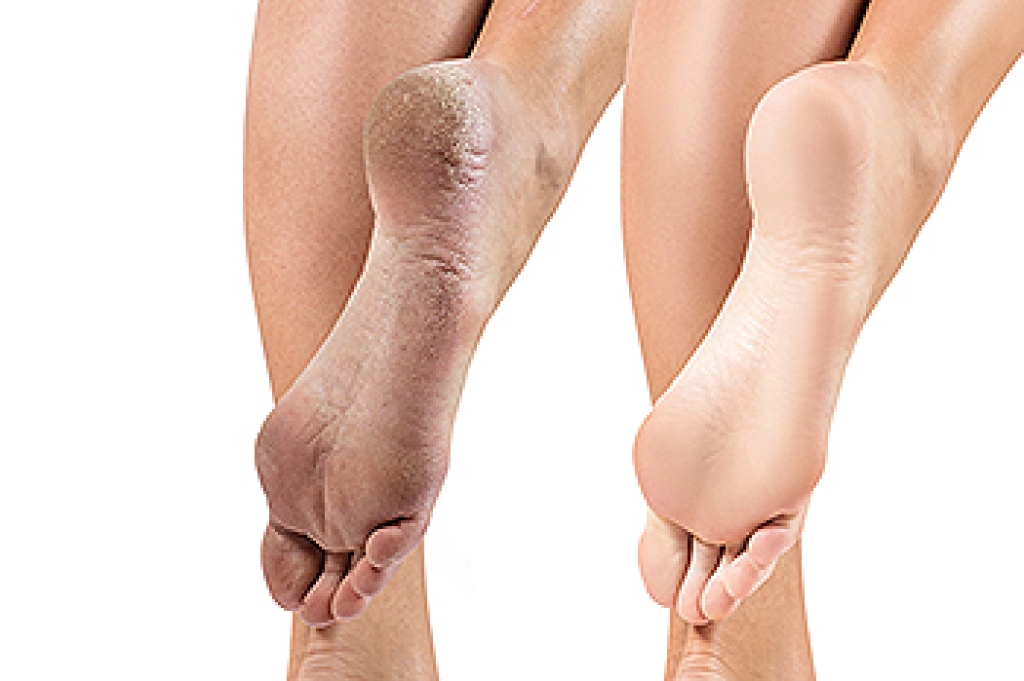
Blisters, calluses, and cracked heels are common foot conditions that can cause significant discomfort during daily activities. Blisters form when friction from shoes or repeated movement causes fluid to collect under the skin. They may appear as raised, tender areas that feel sensitive when walking. Callouses develop when the skin thickens in response to pressure or friction, often on the ball of the foot or heel. While they protect the skin, they can become painful if they grow too thick. Cracked heels occur when dry skin splits along the heel, sometimes forming deep fissures that may sting or bleed. These problems are often linked to prolonged standing, poorly fitting shoes, dry skin, or uneven pressure on the foot. A podiatrist can evaluate the foot to determine why these conditions are developing and whether underlying issues, such as foot structure or walking patterns, are contributing to the pain. Treatment may include professional skin care, supportive footwear, and targeted exercises that improve pressure balance. If you have ongoing foot pain, it is suggested that you make an appointment with a podiatrist for a diagnosis and treatment.

Foot Pain

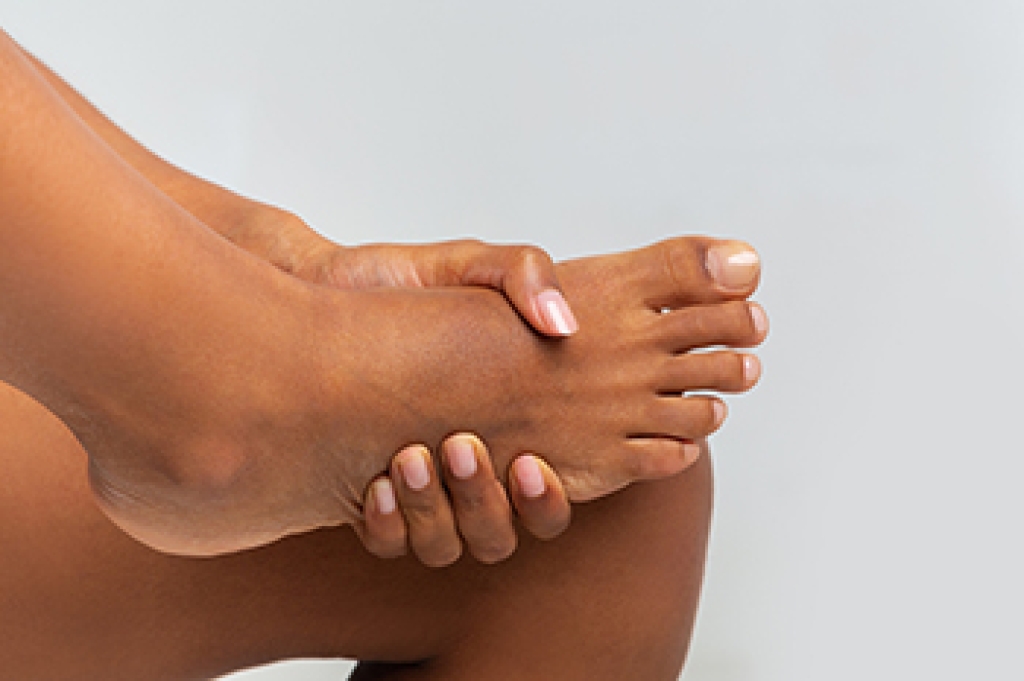
Foot pain can be extremely painful and debilitating. If you have a foot pain, consult with David Williams, DPM from El Paso Feet. Our doctor will assess your condition and provide you with quality foot and ankle treatment.

Causes

Foot pain is a very broad condition that could be caused by one or more ailments. The most common include:

  • Bunions
  • Hammertoes
  • Plantar Fasciitis
  • Bone Spurs
  • Corns
  • Tarsal Tunnel Syndrome
  • Ingrown Toenails
  • Arthritis (such as Gout, Rheumatoid, and Osteoarthritis)
  • Flat Feet
  • Injury (from stress fractures, broken toe, foot, ankle, Achilles tendon ruptures, and sprains)
  • And more

Diagnosis

To figure out the cause of foot pain, podiatrists utilize several different methods. This can range from simple visual inspections and sensation tests to X-rays and MRI scans. Prior medical history, family medical history, and any recent physical traumatic events will all be taken into consideration for a proper diagnosis.

Treatment

Treatment depends upon the cause of the foot pain. Whether it is resting, staying off the foot, or having surgery; podiatrists have a number of treatment options available for foot pain.

If you have any questions, please feel free to contact our office located in El Paso, TX . We offer the newest diagnostic and treatment technologies for all your foot care needs.
Read more about Foot Pain

Tips for Finding Shoes That Fit Well

Choosing shoes that fit well plays an important role in foot health and comfort. A proper fit begins with enough room in the toe box, which is the part of the shoe where the toes sit, so they are not crowded or pressed together. Shoes should have a secure heel area to hold the foot in place and reduce slipping. Cushioning in the sole helps absorb impact with each step, while a low heel can improve balance and reduce strain on the forefoot. Shoes that do not fit can lead to blisters, joint pain, and changes in walking patterns over time. A podiatrist can measure your feet, assess how you walk, and recommend footwear that supports your foot structure. They can suggest custom orthotics, which are inserts designed to improve alignment and reduce pressure. If you have foot pain after wearing certain shoes, it is suggested that you make an appointment with a podiatrist for help.

Getting the right shoe size is an important part of proper foot health. Seek the assistance of David Williams, DPM from El Paso Feet. Our doctor will provide the care you need to keep you pain-free and on your feet.

Getting the Right Shoe Size

There are many people who wear shoes that are the incorrect size, negatively affecting their feet and posture. Selecting the right shoes is not a difficult process, so long as you keep several things in mind when it comes to choosing the right pair.

  • When visiting the shoe store, use the tools available to measure your foot.
  • Be sure there is ‘wiggle room’. There should be about an inch between your toes and the tip of your shoes.
  • Do not always assume you are the same size, as manufacturers run differently.
  • Purchase shoes later in the day, as your feet swell as the day progresses.
  • If a shoe is not comfortable, it is not suitable. Most shoes can’t be ‘broken in’, and comfort should be the ultimate goal when it comes to choosing the right pair of shoes

As our feet hold our body weight and keep us moving, it is important to treat them right. Picking the right pair of shoes can provide your feet comfort and mobility without pain.

If you have any questions, please feel free to contact our office located in El Paso, TX . We offer the newest diagnostic and treatment technologies for all your foot care needs.
Read more about Getting the Right Shoe Size: To Keep Your Feet Happy

Why Bunions Form and How They Are Managed

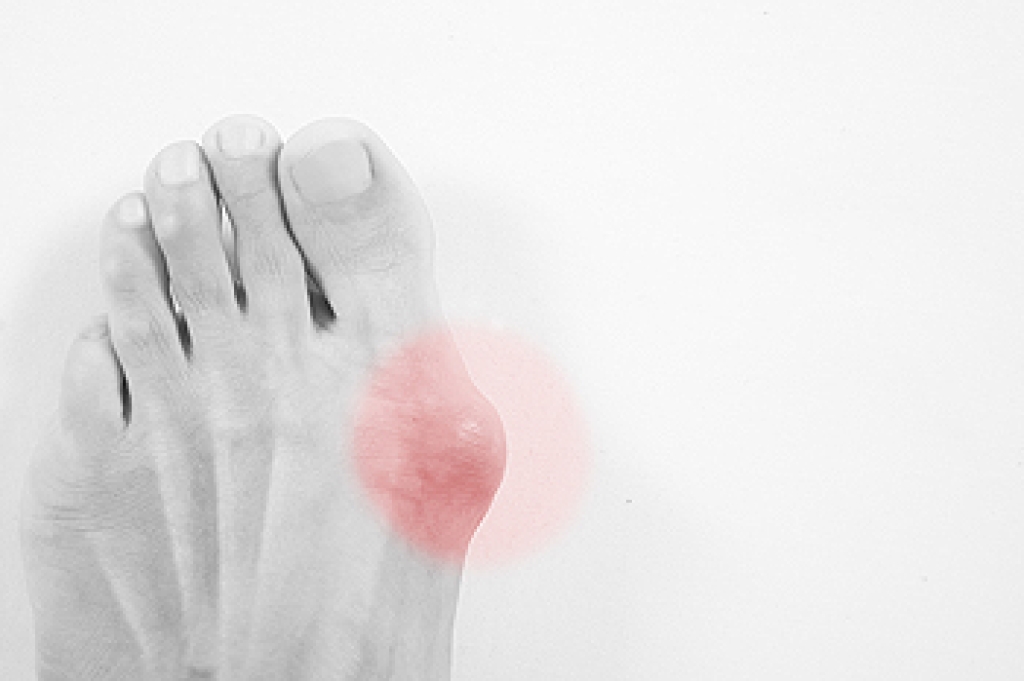
A bunion develops when the tip of the big toe gradually shifts toward the smaller toes, causing a bony bump to form at the base of the joint. This change occurs over time as pressure alters the alignment of the bones in the forefoot. Wearing tight footwear, inherited foot structure, and flat arches can increase stress on the joint. As the joint moves out of place, the surrounding tissues may become swollen and tender. Symptoms often include redness, soreness, and difficulty wearing certain shoes. Some people notice stiffness or limited motion in the big toe. Early care focuses on easing pressure and slowing progression. Wearing wide, supportive shoes and using custom orthotics can improve alignment. Padding and anti-inflammatory measures may reduce discomfort. When pain interferes with daily life, further treatment options are discussed. If you have a painful bump near your big toe, it is suggested that you see a podiatrist for a proper diagnosis and appropriate treatment.

If you are suffering from bunion pain, contact David Williams, DPM of El Paso Feet. Our doctor can provide the care you need to keep you pain-free and on your feet.

What Is a Bunion?

Bunions are painful bony bumps that usually develop on the inside of the foot at the joint of the big toe. As the deformity increases over time, it may become painful to walk and wear shoes. Women are more likely to exacerbate existing bunions since they often wear tight, narrow shoes that shift their toes together. Bunion pain can be relieved by wearing wider shoes with enough room for the toes.

Causes

  • Genetics – some people inherit feet that are more prone to bunion development
  • Inflammatory Conditions - rheumatoid arthritis and polio may cause bunion development

Symptoms

  • Redness and inflammation
  • Pain and tenderness
  • Callus or corns on the bump
  • Restricted motion in the big toe

In order to diagnose your bunion, your podiatrist may ask about your medical history, symptoms, and general health. Your doctor might also order an x-ray to take a closer look at your feet. Nonsurgical treatment options include orthotics, padding, icing, changes in footwear, and medication. If nonsurgical treatments don’t alleviate your bunion pain, surgery may be necessary.

If you have any questions, please feel free to contact our office located in El Paso, TX . We offer the newest diagnostic and treatment technologies for all your foot care needs.

Read more about What Are Bunions?

Connect With Us

Advanced Podiatric Procedures & Services in the El Paso County, TX: El Paso, Socorro, Horizon City, Clint, San Elizario, Doña Ana County, NM: Sunland Park, Santa Teresa, Anthony, Hudspeth County, TX: Fort Hancock areas