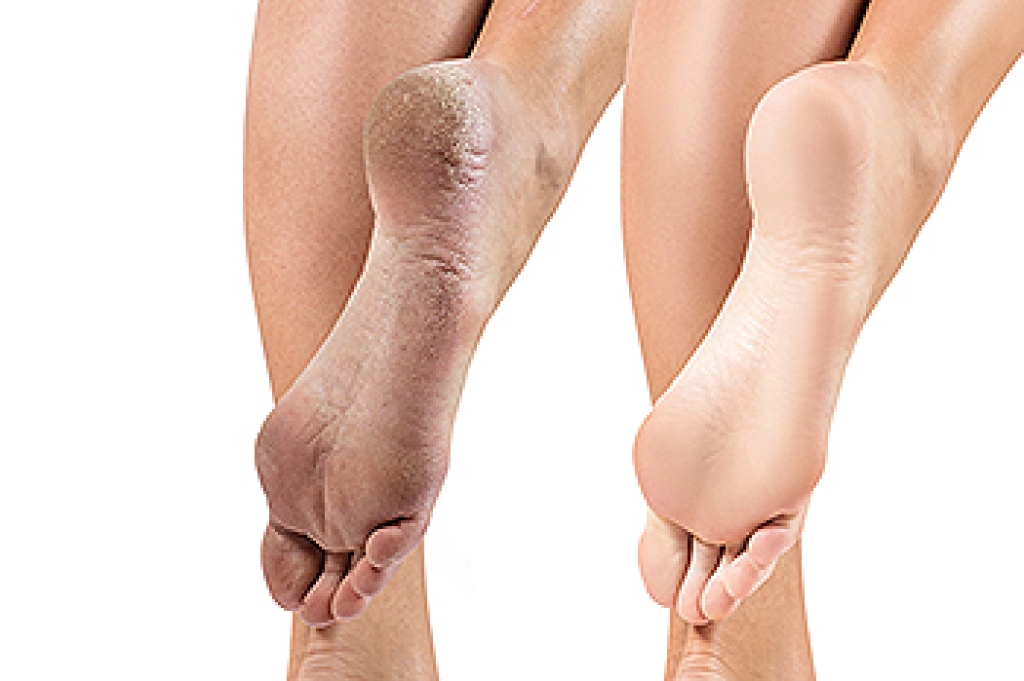
Bumps at the Back of the Heel

Haglund’s deformity is a bony enlargement on the back of the heel where the Achilles tendon attaches to it. This condition often develops when rigid shoes rub against the heel, creating repeated pressure and irritation. The area may look swollen or prominent, and the skin can become red or thickened. Many patients describe a deep aching pain at the back of the heel that worsens with walking, especially in shoes with a firm heel. Over time, inflammation of the nearby bursa or Achilles tendon may occur, increasing stiffness and tenderness. A podiatrist begins with a detailed examination and may order imaging to confirm the bony prominence and rule out tendon damage. Treatment can include shoe modifications, protective padding, custom orthotics, and targeted exercises to reduce strain on the Achilles tendon. In more advanced cases, surgical correction may be considered. If you have pain at the back of your heel, it is suggested that you make an appointment with a podiatrist for proper evaluation and care.

Many people suffer from bouts of heel pain. For more information, contact David Williams, DPM of El Paso Feet. Our doctor can provide the care you need to keep you pain-free and on your feet.

Causes of Heel Pain

Heel pain is often associated with plantar fasciitis. The plantar fascia is a band of tissues that extends along the bottom of the foot. A rip or tear in this ligament can cause inflammation of the tissue.

Achilles tendonitis is another cause of heel pain. Inflammation of the Achilles tendon will cause pain from fractures and muscle tearing. Lack of flexibility is also another symptom.

Heel spurs are another cause of pain. When the tissues of the plantar fascia undergo a great deal of stress, it can lead to ligament separation from the heel bone, causing heel spurs.

Why Might Heel Pain Occur?

  • Wearing ill-fitting shoes                
  • Wearing non-supportive shoes
  • Weight change           
  • Excessive running

Treatments

Heel pain should be treated as soon as possible for immediate results. Keeping your feet in a stress-free environment will help. If you suffer from Achilles tendonitis or plantar fasciitis, applying ice will reduce the swelling. Stretching before an exercise like running will help the muscles. Using all these tips will help make heel pain a condition of the past.

If you have any questions, please feel free to contact our office located in El Paso, TX . We offer the newest diagnostic and treatment technologies for all your foot care needs.
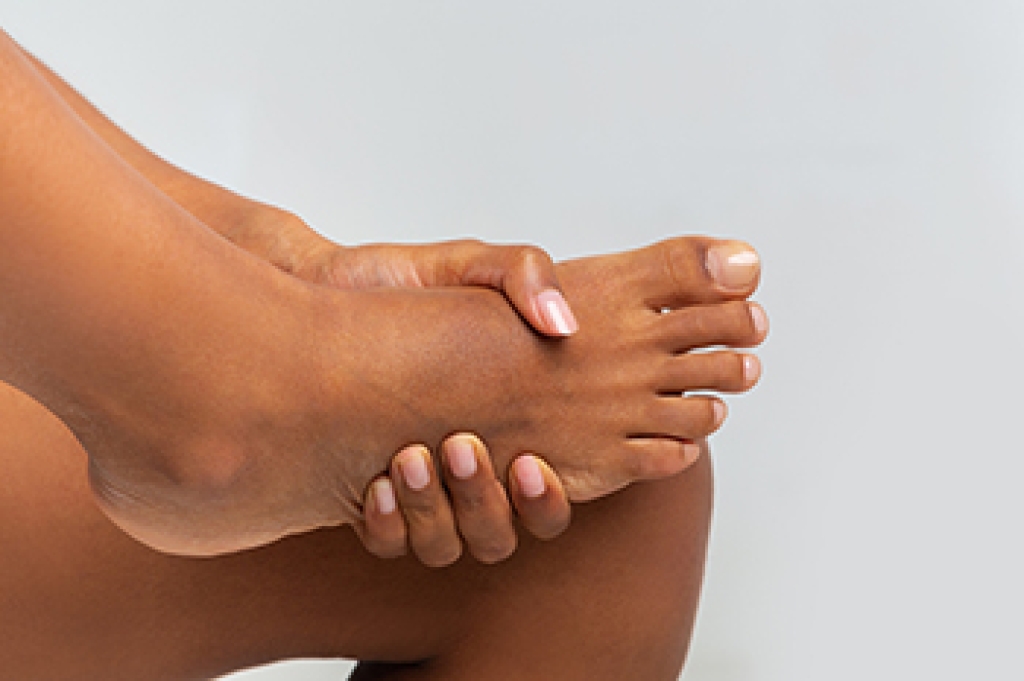

Read more about Heel Pain

It's Time for Beautiful Feet

You don't need an excuse to have beautiful nails. Step outside without worrying about the appearance of your feet.

Symptoms of Achilles Tendon Pain

Achilles tendon pain refers to inflammation or injury of the tendon that connects the calf muscles to the heel bone. It is located at the back of the lower leg just above the heel, and plays a vital role in walking, running, and jumping. Causes include overuse, sudden increases in activity, exercising on uneven surfaces, obesity, and older age. Symptoms may include stiffness, swelling, tenderness, and difficulty pushing off the foot. In more serious cases, a partial tear or complete rupture can occur, leading to sharp pain and weakness. A podiatrist can diagnose the condition, recommend imaging if needed, and create a personalized treatment plan. If you have sustained an Achilles tenon injury, it is suggested that you consult a podiatrist who can offer effective relief and treatment solutions.

Achilles tendon injuries need immediate attention to avoid future complications. If you have any concerns, contact David Williams, DPM of El Paso Feet. Our doctor can provide the care you need to keep you pain-free and on your feet.

What Is the Achilles Tendon?

The Achilles tendon is a tendon that connects the lower leg muscles and calf to the heel of the foot. It is the strongest tendon in the human body and is essential for making movement possible. Because this tendon is such an integral part of the body, any injuries to it can create immense difficulties and should immediately be presented to a doctor.

What Are the Symptoms of an Achilles Tendon Injury?

There are various types of injuries that can affect the Achilles tendon. The two most common injuries are Achilles tendinitis and ruptures of the tendon.

Achilles Tendinitis Symptoms

  • Inflammation
  • Dull to severe pain
  • Increased blood flow to the tendon
  • Thickening of the tendon

Rupture Symptoms

  • Extreme pain and swelling in the foot
  • Total immobility

Treatment and Prevention

Achilles tendon injuries are diagnosed by a thorough physical evaluation, which can include an MRI. Treatment involves rest, physical therapy, and in some cases, surgery. However, various preventative measures can be taken to avoid these injuries, such as:

  • Thorough stretching of the tendon before and after exercise
  • Strengthening exercises like calf raises, squats, leg curls, leg extensions, leg raises, lunges, and leg presses

If you have any questions please feel free to contact our office located in El Paso, TX . We offer the newest diagnostic tools and technology to treat your foot and ankle needs.

Read more about What are Achilles Tendon Injuries

Understanding Athlete’s Foot and Podiatric Care

Athlete’s foot is a common skin infection that affects the feet and is caused by a fungus known as a dermatophyte. This fungus thrives in warm, moist environments such as locker rooms, shoes, and public showers. Athlete’s foot spreads through direct contact or contact with contaminated surfaces. Common symptoms include itching, redness, burning, and painful skin, especially between the toes or on the soles of the feet. The skin may crack, peel, or become irritated, making walking uncomfortable. A podiatrist can help by accurately diagnosing the condition and recommending appropriate antifungal treatments. Care may also include guidance on foot hygiene, footwear choices and moisture control to prevent recurrence. If you are experiencing persistent itching, redness, or foot discomfort, do not ignore the symptoms. It is suggested that you consult a podiatrist who can offer effective treatment solutions.

Athlete’s Foot

Athlete’s foot is often an uncomfortable condition to experience. Thankfully, podiatrists specialize in treating athlete’s foot and offer the best treatment options. If you have any questions about athlete’s foot, consult with David Williams, DPM from El Paso Feet. Our doctor will assess your condition and provide you with quality treatment.

What Is Athlete’s Foot?

Tinea pedis, more commonly known as athlete’s foot, is a non-serious and common fungal infection of the foot. Athlete’s foot is contagious and can be contracted by touching someone who has it or infected surfaces. The most common places contaminated by it are public showers, locker rooms, and swimming pools. Once contracted, it grows on feet that are left inside moist, dark, and warm shoes and socks.

Prevention

The most effective ways to prevent athlete’s foot include:

  • Thoroughly washing and drying feet
  • Avoid going barefoot in locker rooms and public showers
  • Using shower shoes in public showers
  • Wearing socks that allow the feet to breathe
  • Changing socks and shoes frequently if you sweat a lot

Symptoms

Athlete’s foot initially occurs as a rash between the toes. However, if left undiagnosed, it can spread to the sides and bottom of the feet, toenails, and if touched by hand, the hands themselves. Symptoms include:

  • Redness
  • Burning
  • Itching
  • Scaly and peeling skin

Diagnosis and Treatment

Diagnosis is quick and easy. Skin samples will be taken and either viewed under a microscope or sent to a lab for testing. Sometimes, a podiatrist can diagnose it based on simply looking at it. Once confirmed, treatment options include oral and topical antifungal medications.

If you have any questions, please feel free to contact our office located in El Paso, TX . We offer the newest diagnostic and treatment technologies for all your foot care needs.

Read more about How to Deal with Athlete's Foot

When to See a Podiatrist

Knowing when to see a podiatrist can help prevent minor foot concerns from progressing into more serious problems. Ongoing pain in the foot, toe, or ankle is a common reason to seek care, especially if it affects walking, standing, or daily activities. Changes in foot shape, recurring calluses or corns, nail disorders, heel discomfort, or swelling that does not improve should also be evaluated. Sports injuries, workplace strain, and age-related changes can place stress on bones, joints, tendons, and ligaments, leading to instability or limited movement. A podiatrist is medically trained to assess foot structure, identify underlying causes, and create an appropriate treatment plan. Options include footwear guidance, orthotics, targeted therapy, or other procedures depending on the problem. If you have foot, toe, or ankle problems, it is suggested that you make an appointment with a podiatrist for an exam, diagnosis, and treatment.

If you are experiencing pain in the feet or ankles, don’t join the stubborn majority refusing treatment. Feel free to contact David Williams, DPM from El Paso Feet. Our doctor can provide the care you need to keep you pain-free and on your feet.

What Is a Podiatrist?

Someone would seek the care of a podiatrist if they have suffered a foot injury or have common foot ailments such as heal spurs, bunions, arch problems, deformities, ingrown toenails, corns, foot and ankle problems, etc.

Podiatric Treatment

A podiatrist will treat the problematic areas of the feet, ankle or lower leg by prescribing the following:

  • Physical therapy
  • Drugs
  • Orthotic inserts or soles
  • Surgery on lower extremity fractures

A common podiatric procedure a podiatrist will use is a scanner or force plate which will allow the podiatrist to know the designs of orthotics. Patients are then told to follow a series of tasks to complete the treatment. The computer will scan the foot a see which areas show weight distribution and pressure points. The podiatrist will read the analysis and then determine which treatment plans are available.

If you have any questions, please feel free to contact our office located in El Paso, TX . We offer the newest diagnostic and treatment technologies for all your foot care needs.

Read more about What is a Podiatrist?

Connect With Us

scroll to top