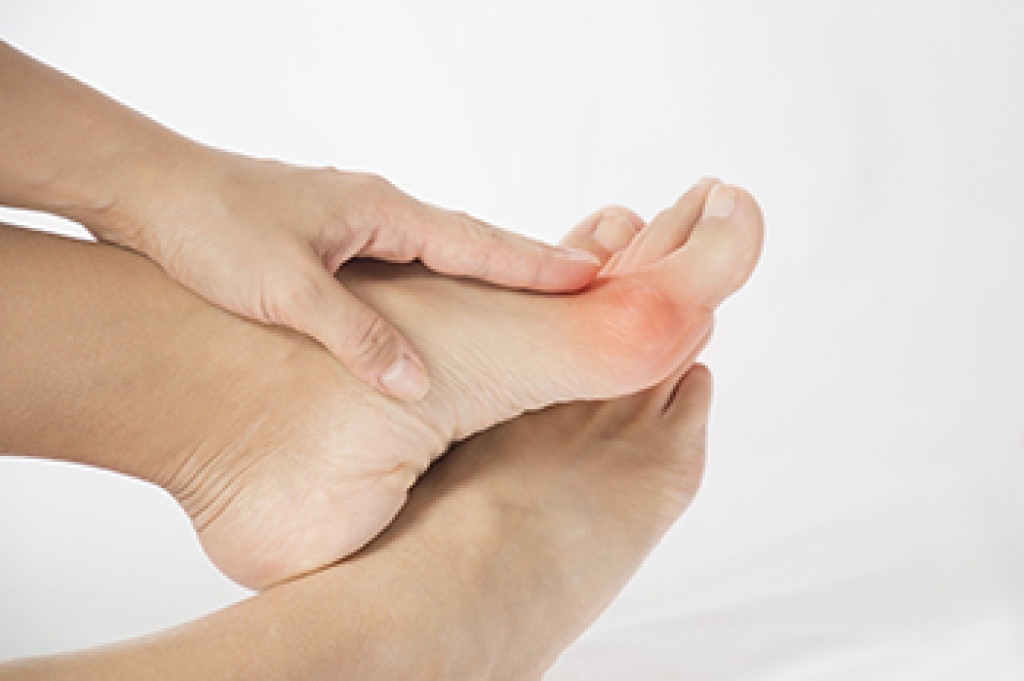
Bunions in children are a foot condition in which the big toe shifts inward toward the second toe, creating a visible bump along the base of the joint. While bunions are more often associated with adults, this condition can appear as early as 10 years old. In younger patients, the deformity is typically more flexible, but may progress if not properly monitored. Early recognition is important because developing bones and joints are more responsive to intervention, which can help slow or manage progression.
Symptoms of juvenile bunions include a noticeable bump on the side of the foot, redness, swelling, and discomfort when wearing shoes. Some children may report pain during physical activity or after long periods of standing. In certain cases, the big toe may overlap or crowd the neighboring toes, affecting alignment and balance. Parents may also observe changes in gait or complaints of pressure in the forefoot. Although some children experience minimal discomfort, the visual deformity and gradual progression can still impact long-term foot health.
Risk factors for juvenile bunions often include genetics, particularly when the condition is inherited through the maternal side of the family. Structural factors like flat feet, ligament laxity, and abnormal foot mechanics can also contribute to bunion development. Footwear choices that place pressure on the toes may worsen symptoms, although they are not always the primary cause in children. Rapid growth phases can further influence how the foot structure changes, making monitoring during development especially important.
It is important to understand that juvenile bunions require attention even when symptoms are mild, as early management can help prevent worsening deformity. Wearing supportive footwear, activity modifications, and proper evaluation can make a significant difference in comfort and function. If your child has a bunion or shows signs of toe misalignment, it is suggested that you consult a podiatrist for an accurate diagnosis and appropriate treatment.
The health of a child’s feet is vital to their overall well-being. If you have any questions regarding foot health, contact David Williams, DPM of El Paso Feet. Our doctor can provide the care you need to keep you pain-free and on your feet.
Tips for Keeping Children's Feet Healthy
- Make sure their shoes fit properly
- Look for any signs of in-toeing or out-toeing
- Check to see if they have Clubfoot (condition that affects your child’s foot and ankle, twisting the heel and toes inward) which is one of the most common nonmajor birth defects.
- Lightly cover your baby’s feet (Tight covers may keep your baby from moving their feet freely, and could prevent normal development)
- Allow your toddler to go shoeless (Shoes can be restricting for a young child’s foot)
- Cut toenails straight across to avoid ingrown toenails
- Keep your child’s foot clean and dry
- Cover cuts and scrapes. Wash any scratches with soap and water and cover them with a bandage until they’ve healed.
If you have any questions, please feel free to contact our office located in El Paso, TX . We offer the newest diagnostic and treatment technologies for all your foot care needs.
